
Courts: All High Courts
Read latest High Court judgments and orders on Income Tax, GST, Customs, Company Law and other taxation, corporate, commercial and regulatory matters.

Madras HC Allows Form 10B Delay Condonation for Genuine Hardship
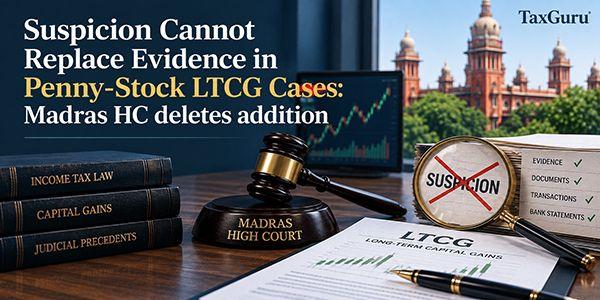
Suspicion Cannot Replace Evidence in Penny-Stock LTCG Cases: Madras HC deletes addition

Gujarat HC Deletes Section 271(1)(c) Penalty on Debatable SPN Interest Disallowance

GST Appeal Delay Condoned by Rajasthan HC After Ineffective Portal Service

Composite GST Assessment Orders Covering Multiple Years is Unsustainable: AP HC
AP HC Quashes Composite GST Order Covering Multiple Assessment Years
Andhra Pradesh HC Allows Delayed GSTR-3B Filing to Withdraw GST Assessment

GST Interest on Belated Returns: Kerala HC Applies Section 50 Retrospectively

Calcutta Hc Upholds Ad Hoc Superannuation Fund Contribution for Actuarial Deficit
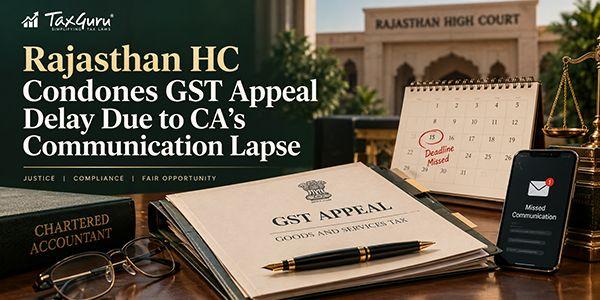
Rajasthan HC Condones GST Appeal Delay Due to CA’s Communication Lapse

AY 2015-16 Reassessment Notices Issued After 1 April 2021 Quashed by Madras HC

Allahabad HC Orders Fresh GST Adjudication After Replies Were Not Considered

HP HC Refuses to Quash FIR in Bogus GST Transactions and Cheating Case

Delhi HC Flags Rampant Fraudulent GST Registrations Using PAN and Aadhaar
All High Courts brings together judgments and orders of High Courts across India published on TaxGuru. The archive covers Income Tax, GST, Customs, Company Law, Corporate Law, insolvency, commercial laws and other taxation and regulatory matters. Readers can research important questions of law, constitutional challenges, writ petitions, statutory appeals and other proceedings decided by different High Courts. Chartered Accountants, advocates, tax professionals, businesses and legal researchers can use this consolidated archive to follow High Court jurisprudence across India. Separate High Court categories are available for court-specific judgments and orders.

