
Courts: All High Courts
Read latest High Court judgments and orders on Income Tax, GST, Customs, Company Law and other taxation, corporate, commercial and regulatory matters.
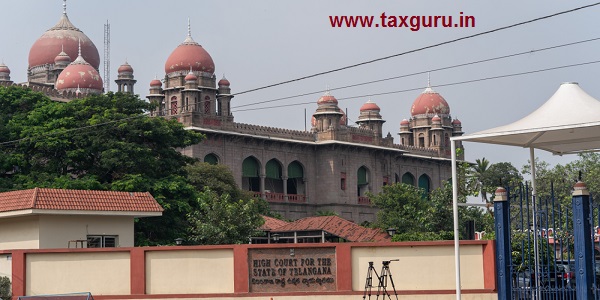
GST Portal Technical Issue Cannot Bar Revocation Application: Telangana HC

Delhi HC Stays 30-Cheque Complaint After Challenge Under Section 219 Cr.P.C.

Belated Writ Petition Challenging AFT Order Dismissed by Kerala High Court

Karnataka HC Directs Reimbursement of 12% GST to Civil Contractor

Section 80G Rejection Set Aside for No Show Cause Notice: Gujarat HC

Section 80G Approval Upheld Where Section 12AA Registration Remained Valid: Chhattisgarh HC

Section 12AA(3) Cancellation Cannot Rest Merely on Section 2(15) Proviso: Bombay HC

Bonus Shares Retain Capital Character Unless Converted Into Stock-in-Trade: Bombay HC

Rajasthan High Court Rejects Delayed GST Appeal Beyond Statutory Limitation
GST Section 129 Penalty Quashed Without Tax Evasion Intention: Allahabad HC

GST Section 129 Penalty Quashed for Technical E-Way Bill Error: Allahabad HC

GST Section 129 Penalty Quashed for E-Way Bill Lapse Without Tax Evasion: Allahabad HC

GST Section 129 Penalty Quashed Where No Tax Evasion Intent Found: Allahabad HC

GST Audit Quashed for Violating 15-Day Notice and Reply Requirement: AP HC
All High Courts brings together judgments and orders of High Courts across India published on TaxGuru. The archive covers Income Tax, GST, Customs, Company Law, Corporate Law, insolvency, commercial laws and other taxation and regulatory matters. Readers can research important questions of law, constitutional challenges, writ petitions, statutory appeals and other proceedings decided by different High Courts. Chartered Accountants, advocates, tax professionals, businesses and legal researchers can use this consolidated archive to follow High Court jurisprudence across India. Separate High Court categories are available for court-specific judgments and orders.

