
Courts: All High Courts
Read latest High Court judgments and orders on Income Tax, GST, Customs, Company Law and other taxation, corporate, commercial and regulatory matters.

Calcutta HC Sets Aside Arbitration Order for Lack of Commercial Division Jurisdiction

Roasted Areca Nuts Under Chapter 20; Customs Seizure and Demand Quashed: Karnataka HC

Missing E-Way Bill Attracts GST Penalty but Tax Invoice Warrants Section 129(1)(a): Allahabad HC

Bombay HC Quashes CSR Donation Reassessment Based on Change of Opinion

Allahabad HC Rejects Arbitration Appeal as 337-Day Delay Remained Unexplained

Decree Holders Are Separate Class of Creditors Under IBC, Not Financial Creditors: Tripura HC

Delhi HC Upholds Section 132 Search of Third-Party Premises and Bank Locker

Section 35(2AB) DSIR Approval Conditions Binding on Apollo Tyres: Kerala HC

Gujarat High Court Upholds 6% Addition on Bogus Diamond Purchases

GST Penalty for Wrong Transport Route Quashed by Allahabad High Court

Punjab and Haryana HC Grants Bail in ₹30 Crore Fake ITC Case
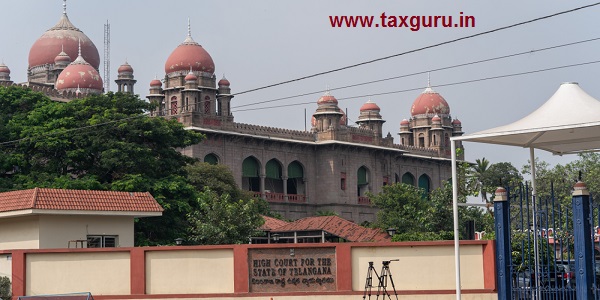
Telangana HC Grants Two Weeks to Appeal Against GST Refund Rejection Order

Telangana HC Allows Manual GST Revocation Application After Time-Barred Appeal

Bombay HC Permits Manual Consolidated GST Refund Claim for Export ITC
All High Courts brings together judgments and orders of High Courts across India published on TaxGuru. The archive covers Income Tax, GST, Customs, Company Law, Corporate Law, insolvency, commercial laws and other taxation and regulatory matters. Readers can research important questions of law, constitutional challenges, writ petitions, statutory appeals and other proceedings decided by different High Courts. Chartered Accountants, advocates, tax professionals, businesses and legal researchers can use this consolidated archive to follow High Court jurisprudence across India. Separate High Court categories are available for court-specific judgments and orders.

