
Courts: All High Courts
Read latest High Court judgments and orders on Income Tax, GST, Customs, Company Law and other taxation, corporate, commercial and regulatory matters.

₹44.30 Crore Fake ITC Case: Accountant Accused as Mastermind Granted Bail by Patna HC

Portal-Only Service Leads Madras High Court to Permit Delayed GST Appeal

DRC-01 Summary Without Section 73 Show Cause Notice Invalid: Chhattisgarh HC
GST Time-Barred Appeal Restored for Merits Decision: Himachal Pradesh HC

GST Parallel Proceedings Objection Left Open for Statutory Appeal: Allahabad HC

₹38.50 Crore Bogus Purchases Cannot Be Entirely Disallowed: Gujarat HC

Successor AO Cannot Review Scrutiny Assessment Through Section 147: Chhattisgarh HC

Civil Temple Trust Dispute Cannot Be Given Criminal Colour: Karnataka HC

MSME Bidder Must Get Opportunity to Match L1 Price: Calcutta HC
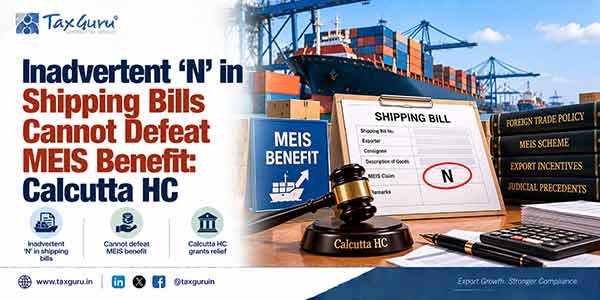
Inadvertent ‘N’ in Shipping Bills Cannot Defeat MEIS Benefit: Calcutta HC

Writ Against District Judge’s Section 37 Arbitration Order Maintainable: Orissa HC
Mere Dispatch Cannot Prove GST Notice Service: Patna HC Sets Aside Assessment

Education Cess Redeposited Under Protest Must Be Refunded With Safeguards: J&K and Ladakh HC

Section 93 Permits Post-Death GST Proceedings Against Legal Representative: Delhi HC
All High Courts brings together judgments and orders of High Courts across India published on TaxGuru. The archive covers Income Tax, GST, Customs, Company Law, Corporate Law, insolvency, commercial laws and other taxation and regulatory matters. Readers can research important questions of law, constitutional challenges, writ petitions, statutory appeals and other proceedings decided by different High Courts. Chartered Accountants, advocates, tax professionals, businesses and legal researchers can use this consolidated archive to follow High Court jurisprudence across India. Separate High Court categories are available for court-specific judgments and orders.

