
Courts: All High Courts
Read latest High Court judgments and orders on Income Tax, GST, Customs, Company Law and other taxation, corporate, commercial and regulatory matters.

Uttarakhand HC Allows GST Registration Revocation Application Subject to Tax Payment

Orissa HC Declines GST Writ Challenge to Section 74 Order, Citing Alternative Remedy

Orissa HC Allows GST Registration Revocation on Payment of Tax, Interest & Penalty

Gujarat HC Condones 712-Day Delay in ITAT Appeal to Advance Substantial Justice
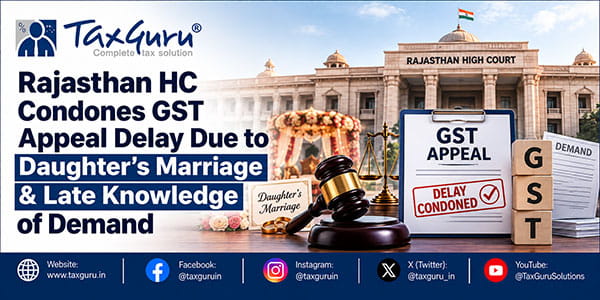
Rajasthan HC Condones GST Appeal Delay Due to Daughter’s Marriage & Late Knowledge of Demand
HC Dismisses Writ Against Section 74 UKGST Order, Citing Appeal Remedy

Rajasthan HC Holds Pending Section 143(1) Appeal No Bar to Reassessment
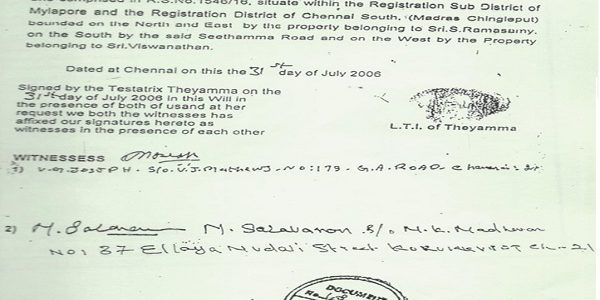
Madras HC Upholds Will, Rejects Property Claim & Unsubstantiated Suspicious Circumstances
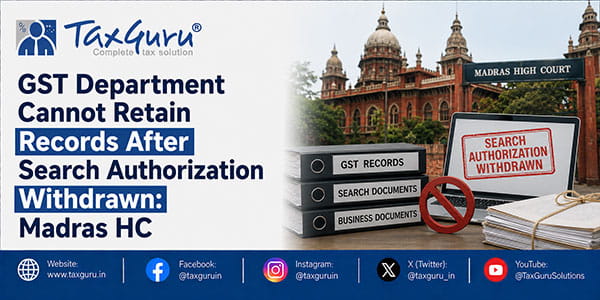
GST Department Cannot Retain Records After Search Authorization Withdrawn: Madras HC

Bombay HC Rejects ₹6.50 Crore GST Dispute Writ, Grants Liberty to Appeal

EDCT Rental Charges Taxable as Transfer of Right to Use: Karnataka HC

Calcutta HC Restrains Reassessment Proceedings for Non-Compliance with Section 148A

Allahabad HC Dismisses Revenue Appeal Against Deletion of Penny Stock Addition

P&H HC Upholds Cenvat Credit on Services for Renting Immovable Property
All High Courts brings together judgments and orders of High Courts across India published on TaxGuru. The archive covers Income Tax, GST, Customs, Company Law, Corporate Law, insolvency, commercial laws and other taxation and regulatory matters. Readers can research important questions of law, constitutional challenges, writ petitions, statutory appeals and other proceedings decided by different High Courts. Chartered Accountants, advocates, tax professionals, businesses and legal researchers can use this consolidated archive to follow High Court jurisprudence across India. Separate High Court categories are available for court-specific judgments and orders.

