From Compliance To Culture: Redefining POSH Governance In Modern Corporate Era
A Governance-Centric Analysis of Workplace Safety, Accountability and Institutional Responsibility
Introduction
The modern corporate environment is witnessing a significant transformation in the understanding of workplace governance and employee protection. Issues relating to dignity, inclusion, ethics, and accountability are no longer viewed merely as human resource concerns; rather, they are increasingly recognised as matters directly connected with governance standards and institutional credibility. The enactment of the Sexual Harassment of Women at Workplace (Prevention, Prohibition and Redressal) Act, 2013 (“POSH Act”) represented a major legislative step toward ensuring safer workplaces for women in India. However, evolving workplace structures, increased stakeholder scrutiny, judicial interpretations, and heightened employee awareness have collectively changed the practical expectations from organisations.
Today, merely constituting an Internal Committee or issuing a policy document is no longer considered sufficient. Organisations are expected to demonstrate that their grievance redressal systems are functional, fair, accessible, independent, and capable of protecting employee confidence. The conversation around workplace safety has therefore shifted from asking whether organisations formally comply with the POSH Act to questioning whether employees genuinely trust the systems established for their protection.
This distinction is critical because workplace safety cannot be measured solely through policies or annual reports. It is reflected through organisational culture, leadership behaviour, responsiveness to complaints, procedural fairness, and the confidence employees place in institutional mechanisms. Recent corporate incidents, judicial developments, and governance disclosure requirements have further strengthened the importance of workplace safety as a Board-level concern. The responsibility now extends beyond HR departments and increasingly falls within the scope of governance professionals, risk management teams, compliance officers, and senior leadership.
The present article attempts to analyse the changing dimensions of POSH governance in India by examining the evolving role of Internal Committees, judicial trends influencing workplace accountability, governance lessons emerging from recent corporate developments, ESG implications, and the practical implementation challenges that organisations continue to face. The objective is not merely to discuss legal compliance requirements, but to evaluate how organisations can transition from procedural compliance toward a culture-driven governance model.
- I. THE POSH FRAMEWORK: A GOVERNANCE PERSPECTIVE
- II. FROM HR FUNCTION TO BOARDROOM RESPONSIBILITY
- III. GOVERNANCE LESSONS FROM RECENT CORPORATE INCIDENTS
- 1. The “Response Gap” in Organisations
- 2. Expanding Accountability Expectations
- 3. Workplace Harassment as a Multidimensional Concern
- IV. JUDICIAL DEVELOPMENTS STRENGTHENING POSH GOVERNANCE
- 1. HCL Technologies Ltd. v. N. Parsarathy
- Governance Significance
- 2. Dr. Sohail Malik v. Union of India (2025)
- Governance Significance
- V. DISCLOSURE REQUIREMENTS AND ESG ALIGNMENT
- Key Reporting Areas
- VI. REDEFINING THE ROLE OF THE INTERNAL COMMITTEE
- 1. Functional Independence
- VII. PRACTICAL CHALLENGES IN POSH IMPLEMENTATION
- 1. Fear of Retaliation
- 2. Token Compliance Practices
- VIII. BUILDING A CULTURE-DRIVEN GOVERNANCE MODEL
- IX. ROLE OF COMPANY SECRETARIES AND GOVERNANCE PROFESSIONALS
- CONCLUSION
I. THE POSH FRAMEWORK: A GOVERNANCE PERSPECTIVE
The POSH Act was enacted with the objective of providing protection against sexual harassment of women at workplaces and establishing preventive as well as redressal mechanisms within organisations. The legislation derives its constitutional foundation from Articles 14, 15, 19, and 21 of the Constitution of India, which collectively safeguard equality, dignity, and the right to practice any profession in a safe environment. The statutory framework was significantly influenced by the landmark judgment of the Hon’ble Supreme Court in Vishaka v. State of Rajasthan (1997), where workplace sexual harassment was recognised as a violation of fundamental rights.
The Act imposes several obligations upon employers, including constitution of an Internal Committee, framing and dissemination of POSH policies, conducting sensitisation programmes, ensuring timely inquiry and redressal, maintaining confidentiality, and filing annual disclosures. While the legal framework appears comprehensive, practical implementation continues to remain a challenge in many organisations. In several cases, POSH compliance is still approached as a documentation exercise rather than an organisational responsibility.
This creates a serious distinction between de jure compliance—the existence of systems on paper—and de facto compliance, which refers to effective implementation in practice. The true effectiveness of the POSH framework therefore depends not merely on policy creation, but on organisational commitment toward fairness, accountability, sensitivity, and institutional trust.
II. FROM HR FUNCTION TO BOARDROOM RESPONSIBILITY
Traditionally, workplace harassment complaints were often treated as confidential HR matters, with limited involvement from Boards or senior leadership. However, the governance landscape has significantly evolved over the years. Workplace safety is now directly linked with governance risk, organisational ethics, ESG reporting, employee retention, stakeholder trust, and reputational sustainability.
The consequences of ineffective complaint handling are no longer confined to internal employee dissatisfaction. Mishandled complaints can result in regulatory scrutiny, litigation risks, criminal investigation, social media backlash, investor concerns, and long-term reputational damage. Consequently, Boards of Directors are increasingly expected to monitor workplace governance systems as part of their broader oversight responsibilities.
The role of leadership has therefore evolved from merely ensuring statutory compliance to building accountable and trust-based organisational culture. Modern governance expectations recognise that policies alone do not create safe workplaces; rather, institutional behaviour and responsive systems determine whether employees truly feel protected. Organisations today are evaluated not only on whether complaints exist, but on how fairly, independently, and promptly those complaints are addressed.
III. GOVERNANCE LESSONS FROM RECENT CORPORATE INCIDENTS
Recent corporate incidents in India have highlighted the growing governance significance of workplace safety mechanisms. One such widely discussed matter was the situation reported at the TCS Nashik unit in 2026 involving allegations relating to workplace misconduct and questions regarding organisational response systems.
While the matter remains subject to legal processes, it generated important governance discussions for compliance professionals and corporates.
1. The “Response Gap” in Organisations
A recurring issue in many organisations is not necessarily the absence of policies, but the delay or inadequacy of institutional response.
Concerns often arise due to:
- Delayed inquiry processes;
- Informal complaint handling;
- Procedural lapses;
- Poor documentation;
- Fear of reputational consequences; or
- Excessive management involvement.
Such practices weaken employee confidence in institutional mechanisms.
The evolving governance perspective indicates that organisations may increasingly be evaluated not merely on the occurrence of complaints, but on the effectiveness of their response systems.
2. Expanding Accountability Expectations
Recent developments also indicate increasing scrutiny of:
- HR personnel;
- Reporting managers;
- Internal Committee members; and
- Senior leadership.
The governance expectation today is that organisational authorities must demonstrate timely, fair, and responsible action whenever workplace concerns are raised.
Institutional silence, procedural indifference, or suppression of complaints can significantly damage organisational credibility.
This reflects a broader governance evolution:
Workplace safety is no longer viewed only through the conduct of an individual wrongdoer, but through the quality of institutional response.
3. Workplace Harassment as a Multidimensional Concern
Modern workplace conflicts frequently involve overlapping issues such as:
- Gender sensitivity;
- Power imbalance;
- Professional retaliation;
- Emotional intimidation;
- Cultural discrimination; and
- Hostile work environment.
This demonstrates that workplace dignity extends beyond isolated incidents and includes the overall organisational environment.
Accordingly, organisations must move beyond narrow interpretations of harassment and adopt a broader “workplace dignity” approach.
IV. JUDICIAL DEVELOPMENTS STRENGTHENING POSH GOVERNANCE
Indian courts have played a significant role in strengthening workplace safety jurisprudence. Judicial interpretation has increasingly focused on ensuring substantive fairness rather than technical compliance.
1. HCL Technologies Ltd. v. N. Parsarathy
Judicial observations in this matter reinforced that workplace conduct must be evaluated from the perspective of its impact on the complainant.
Governance Significance
This principle carries major implications for organisational culture.
Many workplace behaviours historically normalised under “informal culture” may still create discomfort, humiliation, or hostility for employees.
Consequently, organisations must recognise that:
- Unwelcome remarks;
- Repeated comments;
- Inappropriate humour;
- Offensive communication; or
- Behaviour causing discomfort
may collectively contribute to a hostile work environment.
Training programmes therefore need to evolve from:
“What conduct is prohibited?”
to
“How may conduct be experienced or perceived by others?”
This requires empathy-driven sensitisation rather than merely legalistic training sessions.
2. Dr. Sohail Malik v. Union of India (2025)
The Hon’ble Supreme Court expanded the protective scope of workplace safety by recognising that women may seek assistance from the Internal Committee of their own workplace even where the accused belongs to another entity or organisation.
Governance Significance
This judgment has considerable implications for modern workplace structures involving:
- Consultants;
- Vendors;
- Gig workers;
- Contractual personnel;
- Shared workspaces; and
- Inter-organisational collaboration.
Organisations can no longer rely on technical jurisdictional limitations to avoid responsibility.
Instead, they are required to establish:
- Cross-entity reporting mechanisms;
- Vendor conduct frameworks;
- Third-party grievance systems; and
- Collaborative redressal protocols.
The judgment reinforces that workplace safety obligations extend to the broader ecosystem within which employees operate.
V. DISCLOSURE REQUIREMENTS AND ESG ALIGNMENT
Transparency has become one of the defining characteristics of modern corporate governance.
Recent disclosure expectations indicate that workplace safety is increasingly treated as a measurable governance and ESG indicator.
The Companies (Accounts) Second Amendment Rules, 2025
The amended reporting framework strengthened disclosure obligations relating to POSH compliance.
Key Reporting Areas
| Reporting Requirement | Governance Relevance |
|---|---|
| Number of complaints filed | Indicates reporting culture |
| Number of complaints resolved | Reflects effectiveness of systems |
| Cases pending beyond timelines | Highlights procedural delays |
| ESG/BRSR integration | Connects ethics with sustainability |
These disclosure obligations have transformed POSH compliance from a confidential HR matter into a governance metric visible to stakeholders.
ESG and Workplace Safety
Investors and stakeholders increasingly evaluate organisations on the basis of:
- Workplace ethics;
- Diversity and inclusion;
- Employee well-being;
- Governance accountability; and
- Organisational transparency.
Consequently, workplace safety has become closely connected with:
- ESG disclosures;
- Sustainability reporting;
- Risk management frameworks; and
- Corporate reputation.
Organisations are therefore expected to maintain “audit-ready” workplace governance systems.
VI. REDEFINING THE ROLE OF THE INTERNAL COMMITTEE
The Internal Committee forms the foundation of the POSH framework. However, in many organisations, the IC continues to function as a procedural formality rather than an independent redressal mechanism.
The evolving governance environment requires organisations to recognise the IC as a quasi-judicial body entrusted with significant institutional responsibility.
Essential Elements of an Effective Internal Committee
1. Functional Independence
The IC must function independently and without management interference.
Its recommendations should not be influenced by:
- Senior leadership pressure;
- Revenue concerns;
- Organisational hierarchy; or
- Reputational considerations.
Employees lose confidence where inquiry mechanisms appear biased or influenced.
2. Competent and Trained Members
IC members must possess:
- Procedural understanding;
- Awareness of principles of natural justice;
- Documentation capability;
- Sensitivity in handling complaints; and
- Knowledge of legal requirements.
Many procedural deficiencies arise because IC members are insufficiently trained despite exercising quasi-judicial functions.
3. Active External Member Participation
The external member serves as an important safeguard against internal bias.
The purpose of appointing an external member is to:
- Enhance neutrality;
- Strengthen procedural fairness;
- Ensure independent oversight; and
- Improve institutional credibility.
However, in practice, external members are sometimes treated as symbolic appointments rather than active contributors.
Organisations must instead empower external members to meaningfully participate in proceedings and decision-making.
4. Technology and Digital Integrity
Modern compliance systems increasingly require digital infrastructure, including:
- Secure reporting portals;
- Confidential digital documentation;
- Time-stamped records;
- Virtual hearing systems; and
- Automated statutory timeline monitoring.
Technology-driven systems improve transparency, confidentiality, and procedural efficiency.
VII. PRACTICAL CHALLENGES IN POSH IMPLEMENTATION
Despite progressive legal developments, organisations continue to face several implementation challenges.
1. Fear of Retaliation
Employees often hesitate to report concerns due to fear relating to:
- Career impact;
- Workplace isolation;
- Reputation damage;
- Retaliatory behaviour; or
- Lack of confidentiality.
This leads to underreporting and weakens trust in organisational systems.
2. Token Compliance Practices
Some organisations continue to approach POSH compliance as a checklist exercise involving:
- Generic awareness sessions;
- Passive IC constitution;
- Policy circulation without implementation; and
- Minimal governance oversight.
Such approaches fail to create meaningful behavioural change.
3. Leadership Disconnect
The effectiveness of workplace governance is significantly influenced by “tone at the top.”
Where leadership demonstrates:
- Ethical commitment;
- Transparency;
- Accountability; and
- Zero tolerance toward misconduct,
employees are more likely to trust institutional systems.
Conversely, silence or inconsistent responses from leadership often weaken organisational culture.
VIII. BUILDING A CULTURE-DRIVEN GOVERNANCE MODEL
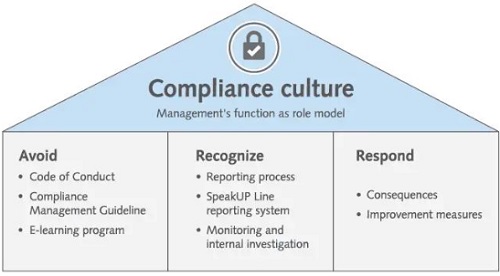
The future of workplace safety lies not merely in grievance redressal, but in preventive and culture-driven governance.
Organisations must therefore move from:
- Reactive compliance
to
- Preventive institutional culture.
Key Governance Measures
1. Continuous Sensitisation
Training programmes should focus not only on legal definitions but also on:
- Behavioural awareness;
- Workplace empathy;
- Respectful communication;
- Professional boundaries; and
- Power dynamics.
2. Leadership Participation
Visible leadership involvement in workplace safety discussions significantly improves organisational credibility.
Employees are more likely to trust systems where senior management actively supports ethical workplace conduct.
3. Integration with Governance Frameworks
POSH compliance should form part of:
- Internal audits;
- Governance reviews;
- Risk management systems;
- ESG reporting; and
- Ethics frameworks.
This ensures that workplace safety becomes an institutional priority rather than an isolated compliance activity.
4. Measuring Organisational Culture
Organisations should periodically evaluate:
- Employee trust levels;
- Reporting comfort;
- Awareness levels;
- Perception of fairness; and
- Inclusiveness of workplace culture.
These indicators provide deeper governance insight than numerical reporting alone.
IX. ROLE OF COMPANY SECRETARIES AND GOVERNANCE PROFESSIONALS
Company Secretaries and governance professionals play an increasingly important role in strengthening workplace accountability systems.
Their responsibilities now extend beyond secretarial compliance and include:
- Advising Boards regarding governance risks;
- Monitoring disclosure obligations;
- Reviewing policy frameworks;
- Ensuring procedural compliance;
- Supporting ethical governance systems; and
- Aligning workplace safety with ESG expectations.
Governance professionals therefore act as institutional custodians responsible for bridging the gap between legal compliance and ethical implementation.
Their role is critical in building:
- Transparent governance systems;
- Trust-based institutional structures; and
- Accountability-driven organisational culture.
CONCLUSION
The discourse surrounding workplace safety in India has clearly evolved beyond procedural compliance into the broader domain of governance maturity and institutional credibility.
The modern enterprise is increasingly evaluated not only on financial performance, but also on its ability to create safe, respectful, and accountable workplaces.
Recent judicial developments, corporate incidents, and disclosure frameworks collectively indicate that workplace safety is now intrinsically connected with:
- Governance standards;
- Ethical leadership;
- Stakeholder confidence; and
- Organisational sustainability.
Organisations therefore need to adopt a proactive and governance-centric approach toward POSH implementation.
This requires:
- Strengthening Internal Committees;
- Ensuring procedural fairness;
- Encouraging employee confidence;
- Enhancing leadership accountability;
- Integrating workplace safety with ESG frameworks; and
- Building a culture rooted in dignity and respect.
The future of workplace governance will not be defined by the absence of complaints, but by the credibility, transparency, and responsiveness of institutional systems.
Ultimately, workplace safety cannot be sustained merely through policies or formal compliance requirements.
It must be embedded within organisational conduct, governance structures, leadership behaviour, and institutional culture.
In today’s evolving corporate environment, the true measure of compliance is not whether organisations claim employees are safe.
It is whether employees genuinely feel safe, respected, heard, and protected.
That is the real transition:
From Compliance to Culture.
REFERENCES
1. The Sexual Harassment of Women at Workplace (Prevention, Prohibition and Redressal) Act, 2013.
2. Vishaka v. State of Rajasthan (1997) 6 SCC 241.
3. Companies Act, 2013.
4. Companies (Accounts) Second Amendment Rules, 2025.
5. HCL Technologies Ltd. v. N. Parsarathy.
6. Sohail Malik v. Union of India (2025).
7. Ministry of Corporate Affairs notifications and governance circulars.