

Articles by this Author
Income Tax
Income Tax
PCIT Sanction Cannot Validate Reassessment Beyond Three Years: ITAT Mumbai
Income Tax
Income Tax
Section 14A Disallowance Restricted to Exempt Dividend Income: ITAT Mumbai
Income Tax
Income Tax
Professional Income Accrues Only When Right to Receive Crystallises: ITAT Mumbai
Income Tax
Income Tax
CCM Reassessment Beyond 4 Years Invalid Without Disclosure Failure: ITAT Mumbai
Income Tax
Income Tax
ITAT Mumbai Restricts Bogus Purchase Profit Addition to 5% Instead of 12.5%
Income Tax
Income Tax
Section 143(2) Notice by ITO Without Pecuniary Jurisdiction Invalid: ITAT Mumbai
Income Tax
Income Tax
Reopening Invalid Where Partner Interest & Remuneration Clauses Are Not Mandatory: Gujarat HC
Corporate Law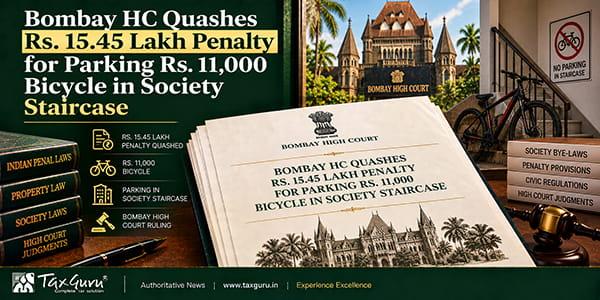
Corporate Law
Bombay HC Quashes Rs. 15.45 Lakh Penalty for Parking Rs. 11,000 Bicycle in Society Staircase
Income Tax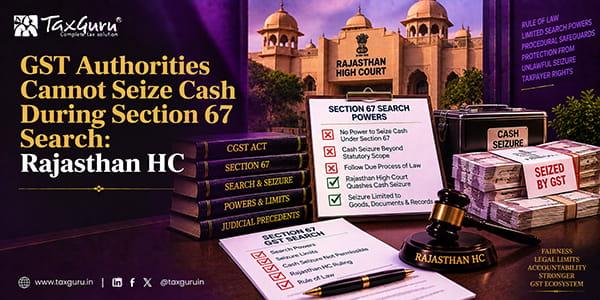
Income Tax
GST Authorities Cannot Seize Cash During Section 67 Search: Rajasthan HC
SEBI
SEBI
SAT Mumbai Quashes SEBI Order Against Raj Oil Mills Following Monnet Ispat Ruling
Income Tax
Income Tax
High Share Premium Alone Cannot Justify Section 68 Addition When Investor Credentials Proved: Bombay HC
Income Tax
Income Tax
Bombay HC Grants Fresh Section 264 Hearing Subject to ₹1 Lakh Costs on ₹4.24 Crore Addition
Goods and Services Tax
Goods and Services Tax
Madhya Pradesh HC Grants Bail in Pan Masala GST & HSNS Cess Evasion Case
Income Tax
Income Tax

