

Articles by this Author
Goods and Services Tax
Goods and Services Tax
Rule 86A ITC Block Not Automatically Lifted Despite Fresh Hearing Opportunity: Karnataka HC
Corporate Law
Corporate Law
Income Tax Cannot Adjust Refunds Against Pre-IBC Demands After Resolution Plan Approval: Calcutta HC
Corporate Law
Corporate Law
Income Tax Refund Cannot Be Adjusted Against Pre-CIRP Dues During IBC Moratorium: NCLT Ahmedabad
Custom Duty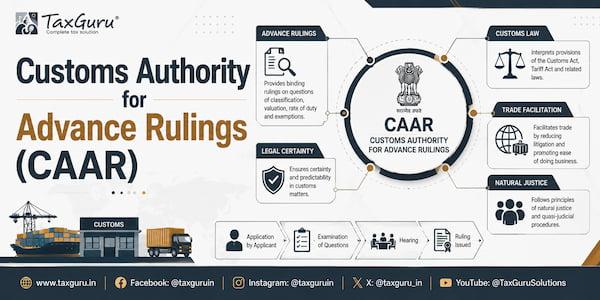
Custom Duty
Kitchen Exhaust Hoods Over 120 cm Classifiable Under CTH 8414 80 90: CAAR Mumbai
Custom Duty
Custom Duty
Embedded Communication Modules Are Parts Under CTI 8517 79 90: CAAR Mumbai
Custom Duty
Custom Duty
MILDS Aircraft Components Eligible for Customs Duty Exemption: CAAR Mumbai
Goods and Services Tax
Goods and Services Tax
Kerala HC Restores Time-Barred GST Appeal as Additional 2.5% Pre-Deposit Defect Is Curable
Custom Duty
Custom Duty
CESTAT Mumbai Quashes Duty, Confiscation and Penalties Over Alleged Iranian Cargo Origin
Income Tax
Income Tax
Defects Cured in ITR Relate Back to Original Filing Date for Section 143(2) Limitation: Bombay HC
Income Tax
Income Tax
Pr. CIT Approval Invalid for Section 148 Notice Issued Beyond Three Years: ITAT Hyderabad
Income Tax
Income Tax
9-Day Delay in Form 10IE Due to Technical Glitch Cannot Deny Section 115BAC Benefit: ITAT Amritsar
Income Tax
Income Tax
Assessment u/s 143(3) After Search Invalid Without Mandatory Section 148 Notice: ITAT Mumbai
Income Tax
Income Tax
WhatsApp Chats Alone Cannot Prove Non-Genuine Commission Payments: ITAT Delhi
Corporate Law
Corporate Law

