

Articles by this Author
Goods and Services Tax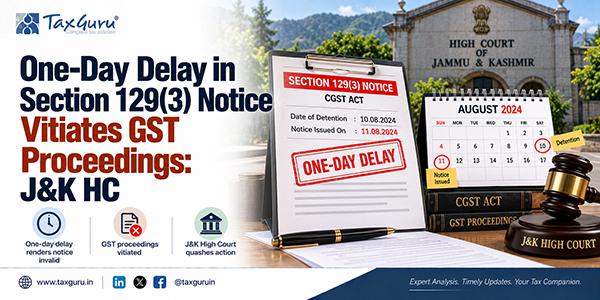
Goods and Services Tax
One-Day Delay in Section 129(3) Notice Vitiates GST Proceedings: J&K HC
Goods and Services Tax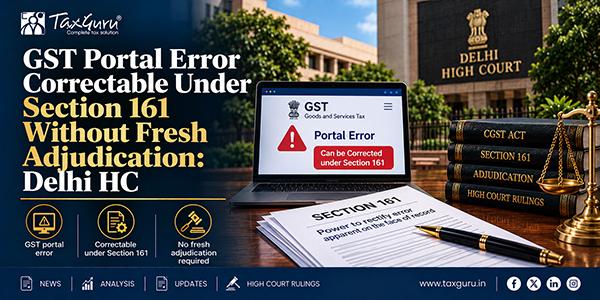
Goods and Services Tax
GST Portal Error Correctable Under Section 161 Without Fresh Adjudication: Delhi HC
Goods and Services Tax
Goods and Services Tax
Voluminous E-Way Bill Analysis Prompts Interim GST Protection: Gujarat HC
Goods and Services Tax
Goods and Services Tax
Delayed GST Refund Interest Claim Must First Approach Authority: Himachal Pradesh HC
Corporate Law
Corporate Law
KVSS Cannot Bar Refund of Tax Outside Settlement: Rajasthan HC
Goods and Services Tax
Goods and Services Tax
Personal Hearing Required Before Adverse GST Decision: Andhra Pradesh HC
Income Tax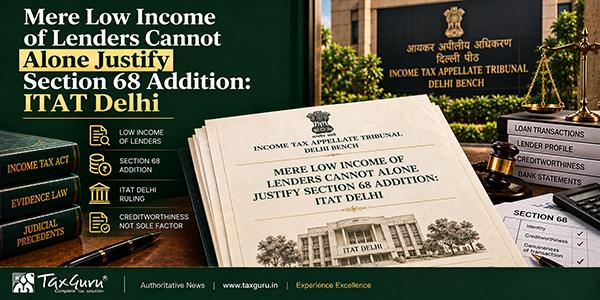
Income Tax
Mere Low Income of Lenders Cannot Alone Justify Section 68 Addition: ITAT Delhi
Income Tax
Income Tax
Interest-Free Funds Bar Interest Disallowance; Book Profit Not Cash Credit: ITAT Jaipur
Corporate Law
Corporate Law
Income-Tax Relief Does Not Warrant Writ-Stage Quashing of PMLA Attachment: Chhattisgarh HC
Corporate Law
Corporate Law
NCLAT Upholds Clean Slate Reliefs for Successful Auction Purchaser Under IBC
Income Tax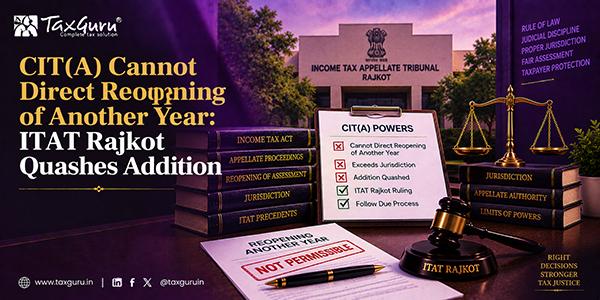
Income Tax
CIT(A) Cannot Direct Reopening of Another Year: ITAT Rajkot Quashes Addition
Corporate Law
Corporate Law
Suppressed RERA Execution Proceedings Defeat Apartment Purchasers’ Writ: Tripura HC
Corporate Law
Corporate Law
Section 138 Complaint Filed Before 15 Days Cannot Sustain Conviction: Karnataka HC
Income Tax
Income Tax

