

Articles by this Author
Goods and Services Tax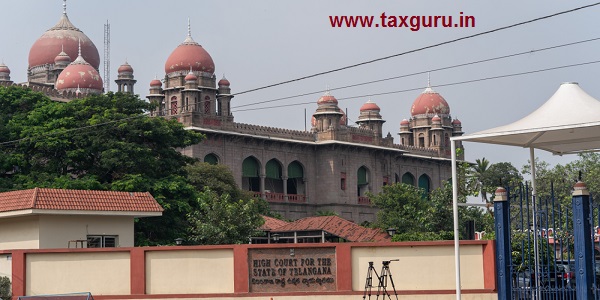
Goods and Services Tax
Telangana HC Declines Writ Against GST Assessment, Directs Taxpayer to Statutory Appeal
Goods and Services Tax
Goods and Services Tax
Karnataka HC Quashes GST Demand, Orders Fresh Hearing on ITC Claim U/s. 16(5)
Goods and Services Tax
Goods and Services Tax
Kerala HC Directs Reconsideration of ITC Denial under CGST Act Section 16(5)
Goods and Services Tax
Goods and Services Tax
IGST Refund Cannot Be Denied for Shipping Bill Error Alone: Gujarat HC
Company Law
Company Law
NCLT Approves ₹203 Cr Preference Share Capital Reduction Under Companies Act
Income Tax
Income Tax
Post-Death ITRs Cannot Be Ignored: Karnataka HC Enhances MACT Compensation
Excise Duty
Excise Duty
Earlier 7.5% Pre-Deposit Counts Towards 10% CESTAT Appeal Requirement: Uttarakhand HC
Corporate Law
Corporate Law
Calcutta HC Rejects Recovery Suit Filed During Section 96 IBC Interim Moratorium
Income Tax
Income Tax
Absence of Legal Heir Certificate Alone Cannot Justify Section 68 Addition; ITAT Delhi Reduces GP Estimation
Corporate Law
Corporate Law
Karnataka HC Remands PMLA Attachment After Adjudicating Authority Ignored Objections
Custom Duty
Custom Duty
Orissa HC Upholds Seizure of Cash, Gold & Vehicles Under BNSS During Criminal Investigation
Corporate Law
Corporate Law
NCLAT Upholds Rejection of Section 7 IBC Plea Amid Fraud & Forgery Allegations
Company Law
Company Law
NCLT Rejects Jet Lite Employees’ Bid to Be Treated as Jet Airways Workmen in Liquidation
Goods and Services Tax
Goods and Services Tax

