

Articles by this Author
Goods and Services Tax
Goods and Services Tax
GST Assessment Quashed as Hearing Notice Was Uploaded Under Wrong Portal Tab: Patna HC
Goods and Services Tax
Goods and Services Tax
No Personal Hearing Before Adverse GST Order Violates Section 75(4): Patna HC
Goods and Services Tax
Goods and Services Tax
Patna HC Quashes Section 73 GST Order as Notice Was Uploaded Under Wrong Portal Tab
Income Tax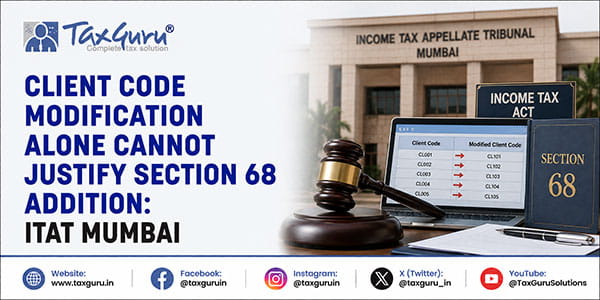
Income Tax
Client Code Modification Alone Cannot Justify Section 68 Addition: ITAT Mumbai
Income Tax
Income Tax
ITAT Ahmedabad Allows Section 10(10B) Exemption Claim for BSNL VRS Compensation
Excise Duty
Excise Duty
CESTAT Allows Customs & Excise Duty Exemption to EOU on Inputs Used for Mobile Parts
Income Tax
Income Tax
ITAT Lucknow Deletes Section 271AAC Penalty After Deletion of Section 69A Addition
Income Tax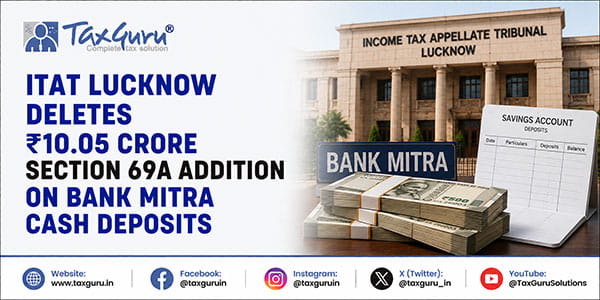
Income Tax
ITAT Lucknow Deletes ₹10.05 Crore Section 69A Addition on Bank Mitra Cash Deposits
Corporate Law
Corporate Law
SC: Revenue Map Correction Cannot Reopen Settled Disputes Under UP Revenue Code
Income Tax
Income Tax
CPWD Rates Cannot Be Applied for Rural House Valuation: Karnataka HC Deletes Section 69 Addition
Income Tax
Income Tax
ITAT Chennai Quashes Reassessment as No Addition Was Made on Recorded Reason
Income Tax
Income Tax
Fresh Section 148A(b) Notice Unsustainable After Completed Reassessment: Madras HC
Income Tax
Income Tax
Section 263 Cannot Cure Wrong Penalty Provision in Assessment Order: ITAT Chennai
Income Tax
Income Tax

