

Articles by this Author
Income Tax
Income Tax
ITAT Mumbai: R&D Deduction Allowed Without DSIR Quantification for AY 2016-17
Custom Duty
Custom Duty
CESTAT Mumbai Set Aside Undervaluation Demand for Non-Compliance with Section 138C
Income Tax
Income Tax
Reassessment Void Without Mandatory Section 143(2) Notice: Karnataka HC
Income Tax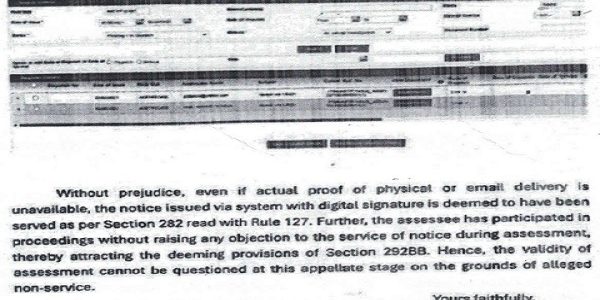
Income Tax
ITAT Raipur: Reassessment Quashed for Non-Service of Section 143(2) Notice
Corporate Law
Corporate Law
SC: Unpaid Sale Consideration Cannot Constitute Criminal Breach of Trust, Quashes Proceedings
Corporate Law
Corporate Law
ITAT Ahmedabad: Depreciation & Interest Deductions Allowed Following Earlier Acceptance and Consistency
Income Tax
Income Tax
ITAT Mumbai: Estate’s Taxation at Individual Slab Rates Remanded to Verify Sole Executor Under Will
Income Tax
Income Tax
ITAT Mumbai: Estate of Deceased Taxable at Normal Slab Rates, Not Maximum Marginal Rate
Income Tax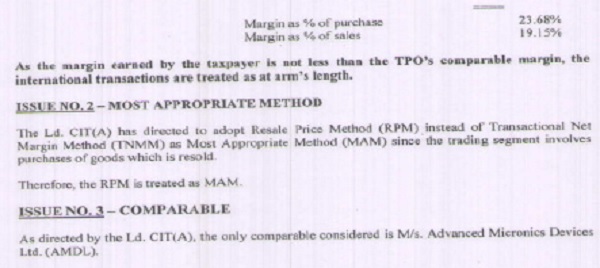
Income Tax
ITAT Bangalore: Trading & Software TP Adjustments Deleted Due to Comparability & 3% Range
Income Tax
Income Tax
ITAT Bangalore: Turnover & RPT Filters Applied, Functionally Dissimilar Comparables Excluded
Income Tax
Income Tax
Final Assessment Without Draft Order under Section 144C Is Void: Bombay HC
Income Tax
Income Tax
Demonetisation Cash Deposits from Recorded Sales Not Taxable under Section 115BBE: ITAT Chennai
Income Tax
Income Tax
ITAT Hyderabad: 60% Tax Rate under Section 115BBE Applies to AY 2017-18
Income Tax
Income Tax

