

Articles by this Author
Corporate Law
Corporate Law
HC Enhances MACT Compensation by Relying on Three Years’ Income Tax Returns
Goods and Services Tax
Goods and Services Tax
Arbitral Award on GST Reimbursement Unsustainable in Road Contract: Allahabad HC
Income Tax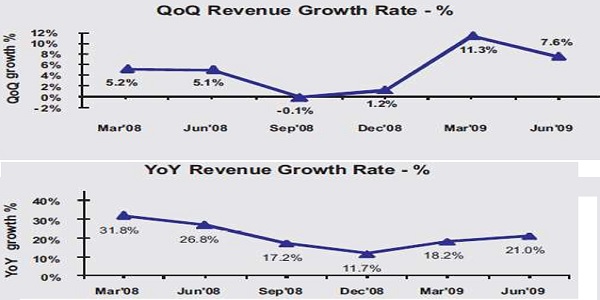
Income Tax
ITAT Delhi Allows Multiple Tax Claims of HCL Tech, Remands Verification of Section 10A Deduction
Income Tax
Income Tax
SC Dismisses SLP as Withdrawn; Bombay HC Ruling Denying Section 37 Deduction for Redemption Fine Stands
Income Tax
Income Tax
Bombay HC Disallows Section 153A Additions Based on Regular Books Without Search Material
Income Tax
Income Tax
AMP Expenditure Not an International Transaction Under Transfer Pricing: ITAT Delhi
Income Tax
Income Tax
Trade Promotion Body Qualifies as Charitable Institution for Section 12AA Registration: Gujarat HC
Income Tax
Income Tax
Mere Delay in Tax Payment Does Not Attract Section 276C(2) Prosecution: Bombay HC
Income Tax
Income Tax
Trustee’s Shareholding Doesn’t Attract Deemed Dividend for Public Trust: Gujarat HC
Income Tax
Income Tax
Gujarat HC Quashes Section 143(3) Assessment for Granting Only Three Days to Reply
Income Tax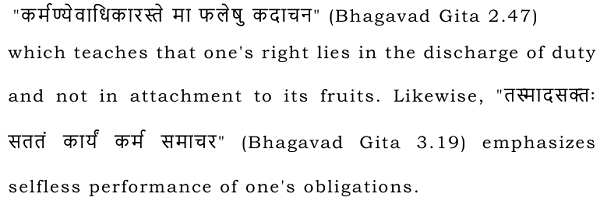
Income Tax
Bhagavad Gita Teachings Not Religious Propagation, 80G Approval Allowed: ITAT Chandigarh
Income Tax
Income Tax
Bangalore ITAT Excludes Infosys, L&T Infotech, Persistent from TP Comparables
Income Tax
Income Tax
Excludes High-Turnover Comparables in Software Development TP Case: ITAT Bangalore
Company Law
Company Law

