

Articles by this Author
Income Tax
Income Tax
MP HC Upholds ITAT Order Annuling Assessment and Deleting ₹2.88 Crore Addition
Income Tax
Income Tax
ITAT Delhi Quashes Assessment as Section 153C, Not Section 143(3), Was Applicable
Income Tax
Income Tax
ITAT Chandigarh Deletes ₹13 Crore Addition & Section 271D Penalty for Lack of Evidence
Goods and Services Tax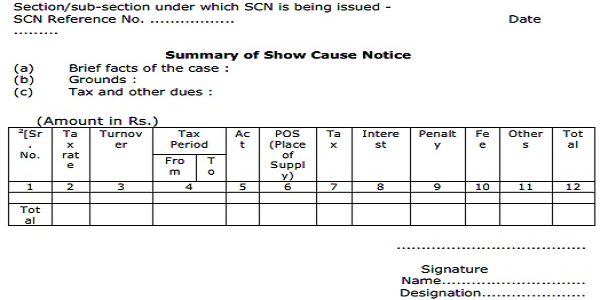
Goods and Services Tax
Karnataka HC Allows Consolidated GST Show Cause Notices for Multiple Years
Income Tax
Income Tax
Karnataka HC Quashes Settlement Commission Order Passed Beyond Statutory Time Limit
Goods and Services Tax
Goods and Services Tax
P&H HC Allows GST Accused to Travel Abroad, Citing Right to Travel
Goods and Services Tax
Goods and Services Tax
P&H HC Quashes GST Prosecution Against Director Without Company as Accused
Goods and Services Tax
Goods and Services Tax
Kerala HC: Bona Fide Mistake Warrants Fresh Opportunity to Condone KVAT Appeal Delay
Income Tax
Income Tax
Kerala HC: Medical PG Stipend vs Salary Dispute Requires Appeal for Section 10(16) Exemption
Corporate Law
Corporate Law
Madras HC Dismisses SARFAESI Writ, Directs Borrower to Approach DRT Within 30 Days
Fema / RBI
Fema / RBI
Madras HC Upheld RBI Ombudsman’s Findings on GST Refund, Bank Charges & NPA
Income Tax
Income Tax
Madras HC Permits Advocate Appointment to Examine Income Tax Records in Liquidation
Income Tax
Income Tax
TAT Mumbai: DBS Bank’s Guarantee Commission TP Adjustment Cut to 0.46%
Income Tax
Income Tax

