

Articles by this Author
Income Tax
Income Tax
ITAT Mumbai: Section 263 Revision Quashed as AO Had Examined Purchases and Issue Was Pending in Appeal
Income Tax
Income Tax
ITAT Delhi: Section 11/12 Exemption Allowed as BARC Deployment Was Pursuant to Government Policy
Income Tax
Income Tax
ITAT Delhi: Section 11/12 Exemption Allowed as BARC Investment Did Not Violate Section 11(5)
Income Tax
Income Tax
Delhi HC Dismisses Section 68 Loan Addition Appeal as Assessee Proved Loan Genuineness
Income Tax
Income Tax
ITAT Mumbai Deletes Section 40(a)(ia) Disallowance as Payments Were Capitalised as WIP
Income Tax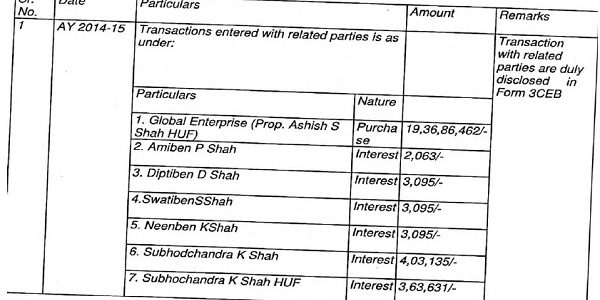
Income Tax
ITAT Nagpur: Section 263 Revision Invalid on Omitted Section 92BA(i)
Income Tax
Income Tax
ITAT Chennai Deletes Domestic TP Adjustment Under Omitted Section 92BA(i)
Income Tax
Income Tax
Bombay HC Quashes Reopening Notice for Change of Opinion on Section 115JB Brand Amortisation
Income Tax
Income Tax
Bombay HC Quashes Reopening Notice as Section 54 Deduction Was Already Examined
Income Tax
Income Tax
Bombay HC Quashes Reassessment Notice Under Section 148 for Mere Change of Opinion
Income Tax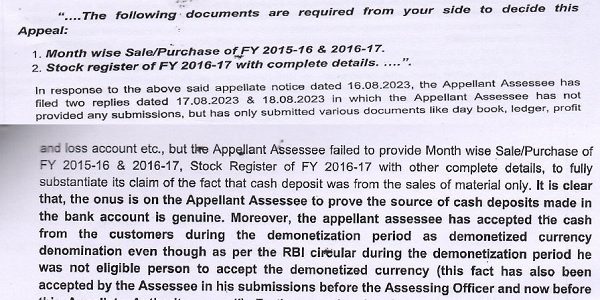
Income Tax
ITAT Chennai Deletes Section 69A Addition Cash Deposit Supported by Business Records
Income Tax
Income Tax
ITAT Jodhpur Allows Section 11 Exemption Despite Late Form 10B Filing
Income Tax
Income Tax
ITAT Mumbai: Brokerage Paid After Sale Allowed against Capital Gains
Income Tax
Income Tax

