

Articles by this Author
Goods and Services Tax
Goods and Services Tax
GST Portal Upload Alone Insufficient for Valid Notice Service: P&H HC
Goods and Services Tax
Goods and Services Tax
GST ITC Denial Quashed as Return Was Filed Within Section 16(5) Deadline: Gauhati HC
Income Tax
Income Tax
CIT(E) Must Examine 5% Religious Expenditure Threshold Before Denying Section 80G: ITAT Chandigarh
Income Tax
Income Tax
Section 148 Notice Quashed as Seized Entry Had No Live Nexus With Assessee: Gujarat HC
Income Tax
Income Tax
AE Can Be Tested Party for RPM Benchmarking in Merchant Trading: ITAT Delhi
Goods and Services Tax
Goods and Services Tax
Section 62 GST Assessment Deemed Withdrawn After Delayed Return & Late Fee: AP HC
Income Tax
Income Tax
Penalty Not Leviable Where Section 148 Return Accepted Without Addition: ITAT Ahmedabad
Income Tax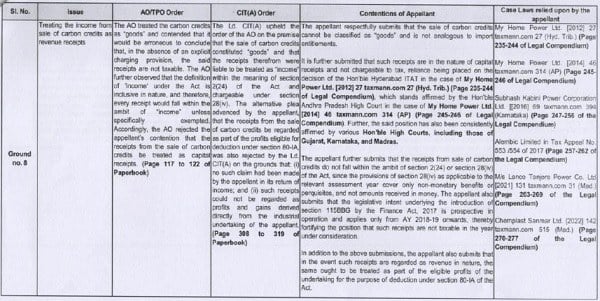
Income Tax
Carbon Credits Capital Receipts; Corporate Guarantee ALP Restricted to 0.5%: ITAT Ranchi
Excise Duty
Excise Duty
CENVAT Credit Allowed on Outward Freight Before 1 April 2008: CESTAT Kolkata
Service Tax
Service Tax
Service Tax Appeal Rejected for Pre-Deposit Default Restored After Compliance: CESTAT Chandigarh
Goods and Services Tax
Goods and Services Tax
CA Certificate Not Required for Interest on Already Sanctioned GST Refund: Telangana HC
Corporate Law
Corporate Law
MSME Turnover Relaxation Circular Creates No Enforceable Right in Tender: J&K HC
Corporate Law
Corporate Law
IBC Proceedings Do Not Automatically Bar RERA Recovery Auction: Karnataka HC
Corporate Law
Corporate Law

