

Articles by this Author
Goods and Services Tax
Goods and Services Tax
Madras HC Sets Aside GST Detention Order Passed Beyond Seven-Day Limit
Income Tax
Income Tax
Madras HC Sets Aside Section 234E TDS Late Fee for Pre-June 2015 Period
Income Tax
Income Tax
Madras HC Sets Aside Section 234E Late Fee for Pre-June 2015 TDS Processing
Income Tax
Income Tax
ITAT Surat Deletes Section 271(1)(c) Penalty on Estimated Bogus Purchase Addition
Corporate Law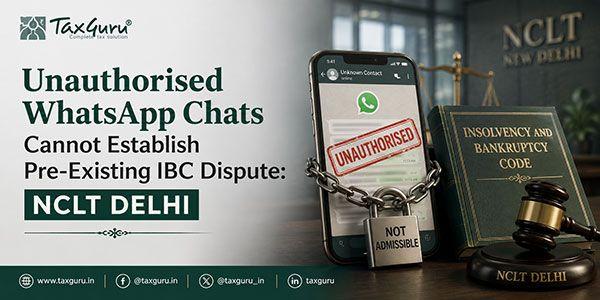
Corporate Law
Unauthorised WhatsApp Chats Cannot Establish Pre-Existing IBC Dispute: NCLT Delhi
Income Tax
Income Tax
New Charitable Trust Need Not Prove Completed Activities for Section 12AA Registration: Calcutta HC
Income Tax
Income Tax
ITAT Chennai Allows MRF’s Retention Money, Forex Premium and Warranty Claims
Income Tax
Income Tax
Madras HC Sets Aside Reassessment Orders Over Section 151 Approval & Limitation
Service Tax
Service Tax
CESTAT Allahabad Sets Aside Service Tax Demand Based Solely on Form 26AS Data
Income Tax
Income Tax
SC Dismisses SLP Against Assessment Quashed for Untimely Section 143(2) Notice
Income Tax
Income Tax
Delhi HC Quashes Assessment for Failure to Issue Timely Section 143(2) Notice
Custom Duty
Custom Duty
CESTAT Mumbai Sets Aside 18% IGST Demand on Imported Diagnostic Kits
Income Tax
Income Tax
Chennai ITAT Deletes Section 234E Late Fee for TDS Returns Before June 2015
Income Tax
Income Tax

