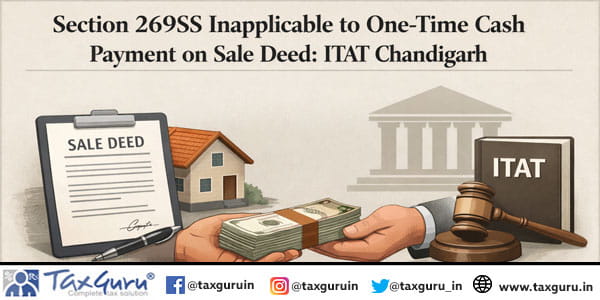
The Tribunal held that an addition based solely on a third-party excel sheet, without any direct evidence of cash payment, was unsustainable. With a complete RTGS trail, registered deed, and vendor confirmation proving bank-only payment, the ITAT ordered deletion of the Section 69 addition.
The Tribunal held that the assessees misunderstanding about the relevance of quantum proceedings justified remanding the 271B penalty order. The AO is directed to consider the assessees factual explanations without unnecessary adjournments.
The Hyderabad tribunal clarified that section 144C provisions are procedural and cannot extend the statutory limitation under section 153. The AO passed the final assessment order after the permissible period, leading to quashing. The ruling strengthens the principle that statutory deadlines are paramount in tax proceedings.
ITAT restored Rs. 20 Cr in unsecured loans, interest, and squared-up loans for fresh verification, noting CIT(A) erred by deleting additions at the stroke of a pen. Large new loans and substantial repayments required independent checks on purpose and creditworthiness. The ruling reinforces that appellate deletion without inquiry violates Rule 46A and legal principles under sections 68 and 69.
Rs. 99.86 Cr out of Rs. 110 Cr added as current liabilities was deleted by CIT(A) and upheld by ITAT. Verification of ledgers, statutory dues, and party confirmations showed actual liability reduction during the year. This highlights the role of detailed evidence in defending balance sheet claims.
The issue involved a common sanction letter covering multiple assessees and years, issued on the same day the AO sought approval. ITAT found this composite approval inconsistent with judicial mandates requiring individualized scrutiny. As a result, the assessment was declared void ab initio, making all additions infructuous.
The Tribunal ruled that Section 263 jurisdiction is barred under Explanation 1(c) if the matter is under appeal before CIT(A). AO’s assessment, including enquiry into statements and ledgers, was found proper. PCIT’s revision attempting to tax full Rs.1.59 Cr as bogus purchase was quashed.
The Tribunal ruled that the AO erred in applying a 15% illiquidity discount on shares valued by the NAV method. SEBI MF guidelines and DCF-based precedents were deemed irrelevant. The assessee’s valuation was confirmed, and the Rs. 8.70 crore addition was nullified.
The Tribunal held that passing assessment orders after the statutory one-month period prescribed under Section 144C(13) is invalid. The assessee’s appeals were allowed, and both orders were set aside.
The Tribunal held that additions must be supported by actual evidence, not mere surmise from third-party statements. The assessee’s invoices and valuer reports disproved alleged cash payments, leading to complete deletion of additions.