

Articles by this Author
Income Tax
Income Tax
Entire Sales Receipts Cannot Be Taxed Under Section 69A: ITAT Bangalore
Income Tax
Income Tax
ITAT Deletes Section 69A Addition, Allows Section 80-IA Deduction on Consistency Principle
Income Tax
Income Tax
ITAT Deletes Cash Deposit Addition as Source Was Prior Bank Withdrawals
Income Tax
Income Tax
Accepted Sales Sufficient; Debtor Confirmations Not Mandatory: ITAT Deletes Demonetisation Additions
Income Tax
Income Tax
ITAT Bangalore Deletes Bonus Disallowance, Penalty as CIT(A) Ignored Evidence
Income Tax
Income Tax
Recorded Cash Receipts Cannot Be Treated as Unexplained Money: Bangalore ITAT
Income Tax
Income Tax
Bangalore ITAT Allows Full Exemption for BSNL VRS Compensation
Income Tax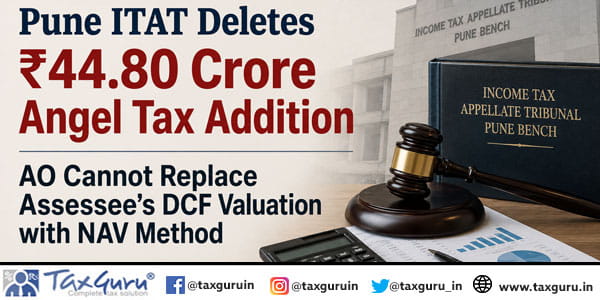
Income Tax
Pune ITAT Deletes ₹44.80 Crore Angel Tax Addition; AO Cannot Replace Assessee’s DCF Valuation with NAV Method
Income Tax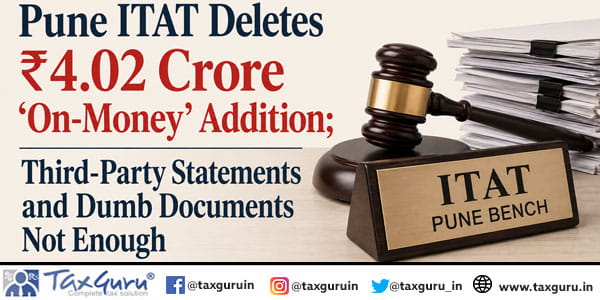
Income Tax
Pune ITAT Deletes ₹4.02 Crore ‘On-Money’ Addition; Third-Party Statements and Dumb Documents Not Enough
Income Tax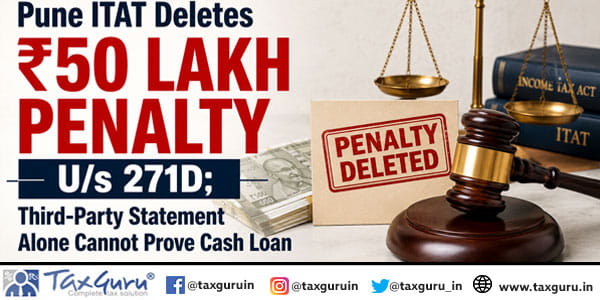
Income Tax
Pune ITAT Deletes ₹50 Lakh Penalty U/s 271D; Third-Party Statement Alone Cannot Prove Cash Loan
Income Tax
Income Tax
Pune ITAT Quashes Section 263 Revision; Detailed AO Enquiry Bars Revision on Mere Change of Opinion
Income Tax
Income Tax
Pune ITAT: BSNL VRS Compensation Fully Exempt u/s 10(10B); Delay in Appeal Condoned
Income Tax
Income Tax
Pune ITAT Deletes ₹1.14 Crore Addition Based Solely on Hawala Operator’s Statement; Cross-Examination Denial Proves Fatal
Income Tax
Income Tax

