Exemption from Audit for Companies with Turnover up to ₹1 Crore: Benefits May Exist, but the Risks Are Far Greater It has been reported that the Ministry of Corporate Affairs is considering a proposal to amend Section 139 of the Companies Act, 2013, to exempt companies with an annual turnover of up to ₹1 crore from […]
The ruling confirms that notional disallowances under Section 14A cannot be added while computing book profits under the MAT regime.
The ITAT ruled that long-term capital gains cannot be treated as bogus solely on suspicion when transactions are supported by proper banking, demat, and broker records.
The DPDP Act 2023 and Rules 2025 overhaul personal data protection in India, introducing strict consent, retention, and security requirements for businesses.
The assessee neither filed returns nor responded to statutory notices, yet additions were deleted on appeal. ITAT held that absence of verification of source and compliance makes such deletion unsustainable.
The assessment proceeded on a fundamentally incorrect factual premise regarding the date of deposit. ITAT ruled that such an error warrants remand for fresh examination of cash source and sales genuineness.
The reassessment was triggered without examining invoices, bank entries, TDS data, or business records. The Tribunal held that mechanical reopening based on external information is bad in law.
The Tribunal examined whether reassessment could stand when based on information relating to another individual. It held that reopening was invalid due to absence of any tangible material against the assessee.
Explains how carbon credits have evolved into monetisable assets and outlines key accounting recognition, income-tax treatment under section 115BBG, and GST considerations in India.
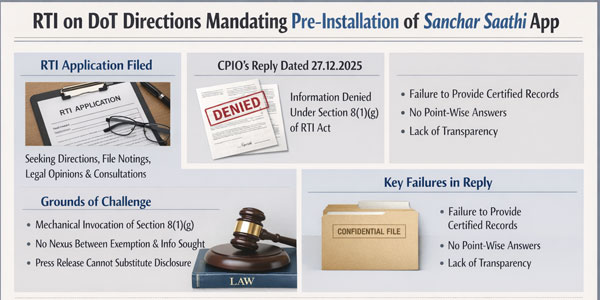
The issue concerns denial of policy documents by invoking Section 8(1)(g) without justification. It is argued that such a non-speaking reply violates RTI obligations and warrants appellate scrutiny.