
Type: Notifications/Circulars
Find latest notifications, circulars, instructions, orders, guidelines, directions, press releases and regulatory updates across tax, corporate, finance and business laws.

RBI (Non-Banking Financial Companies – Concentration Risk Management) Directions, 2025
RBI (Regional Rural Banks – Income Recognition, Asset Classification and Provisioning) Directions, 2025
RBI (Rural Co-operative Banks – Treatment of Wilful Defaulters and Large Defaulters) Directions, 2025
RBI (Non-Banking Financial Companies – Credit Risk Management) Directions, 2025
RBI (Regional Rural Banks – Asset Liability Management) Directions, 2025
RBI (Urban Co-operative Banks – Miscellaneous) Directions
RBI (Credit Information Companies – Managing Risks in Outsourcing) Directions, 2025
RBI (Rural Co-operative Banks – Resolution of Stressed Assets) Directions, 2025
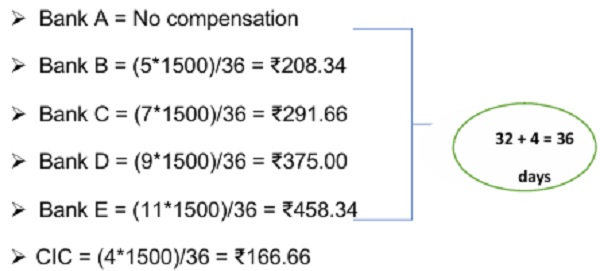
RBI (Non-Banking Financial Companies – Credit Information Reporting) Directions, 2025
RBI (Payments Banks – Miscellaneous) Directions, 2025
RBI (Rural Co-operative Banks – Income Recognition, Asset Classification and Provisioning) Directions, 2025
RBI (Non-Banking Financial Companies – Credit Cards: Issuance and Conduct) Directions, 2025
RBI (Credit Information Companies) Directions, 2025
RBI (Commercial Banks – Miscellaneous) Directions, 2025
Notifications/Circulars is TaxGuru’s central archive of statutory, departmental and regulatory documents. It brings together notifications, circulars, instructions, guidelines, orders, master circulars, master directions, press releases, public notices, regulations and trade notices covering Income Tax, GST, Customs, Company Law, Corporate Law, DGFT, Excise, Service Tax, FEMA/RBI, SEBI, finance and professional matters concerning CA, CS and CMA. Readers can use the archive and its existing subcategories to locate official and regulatory developments relevant to different subjects covered by TaxGuru.

