
Type: Featured
10,042 articlesCA, CS, CMA
CA, CS, CMA
Analysis of Notifications and Circulars for Week Ending 22nd February 2026
Income Tax
Income Tax
No Lender Certificate Required for Interest Deduction on Let-Out Property: Bombay HC
Fema / RBI
Fema / RBI
Foreign Currency Above USD 10000 Must Be Declared Under New RBI FEMA Rules
CA, CS, CMA
CA, CS, CMA
Empanelment with Bank of Maharashtra for Concurrent/Revenue audit
Income Tax
Income Tax
ITAT Upholds Section 263 Revision Due to Lack of Inquiry Into Section 80GGC Political Donation
Goods and Services Tax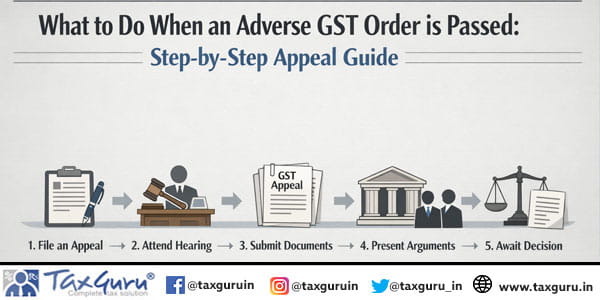
Goods and Services Tax
What to Do When an Adverse GST Order is Passed: Step-by-Step Appeal Guide
Income Tax
Income Tax
Sec 68 Addition on Share Capital & Premium Deleted: No AO Enquiry; High Premium Not Enough – ITAT Kolkata
Income Tax
Income Tax
No Transfer U/s 2(47) – Temporary Alternate Flat Not Taxable – ITAT Mumbai
Goods and Services Tax
Goods and Services Tax
GSTN Enables Withdrawal from Rule 14A via Form GST REG-32 with Aadhaar Authentication
Corporate Law
Corporate Law
Open Garbage Bin & A Public Urinal In A Residential Area Violates Residents’ Right To Life: Delhi HC
Income Tax
Income Tax
ITAT Deletes Section 68 Addition as AO Relied Solely on Generalized Penny Stock Report
Income Tax
Income Tax
Tax Audit under Income Tax Act 2025: Do You Know Physical Location & IP Address of Your Financial Data?
Income Tax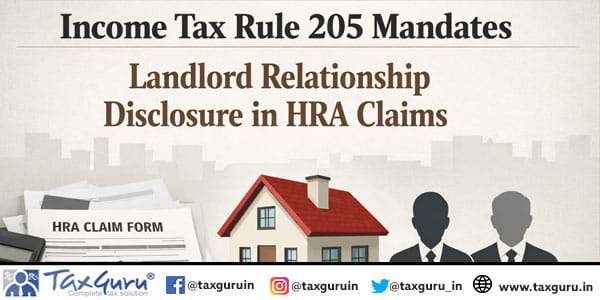
Income Tax
Income Tax Rule 205 Mandates Landlord Relationship Disclosure in HRA Claims
Income Tax
Income Tax

