
Type: Featured
10,033 articlesCA, CS, CMA
CA, CS, CMA
ICSI CS Results – December 2025 Session: Know Toppers & Pass Percentage
SEBI
SEBI
BCAS Representation to SEBI on Research Analysts Registration Issues
Goods and Services Tax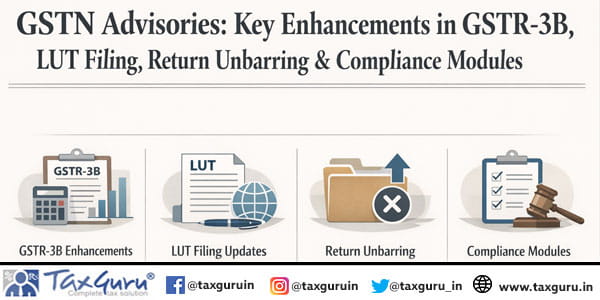
Goods and Services Tax
GSTN Advisories: Key Enhancements in GSTR-3B, LUT Filing, Return Unbarring & Compliance Modules
Corporate Law
Corporate Law
ED Seeks Bail Cancellation in WinZO PMLA Case Despite Statutory Exemption for Women
Company Law
Company Law
90% Relief on Additional ROC Filing Fees Under Companies Compliance Scheme 2026
CA, CS, CMA
CA, CS, CMA
Analysis of Notifications and Circulars for Week Ending 22nd February 2026
Income Tax
Income Tax
No Lender Certificate Required for Interest Deduction on Let-Out Property: Bombay HC
Fema / RBI
Fema / RBI
Foreign Currency Above USD 10000 Must Be Declared Under New RBI FEMA Rules
CA, CS, CMA
CA, CS, CMA
Empanelment with Bank of Maharashtra for Concurrent/Revenue audit
Income Tax
Income Tax
ITAT Upholds Section 263 Revision Due to Lack of Inquiry Into Section 80GGC Political Donation
Goods and Services Tax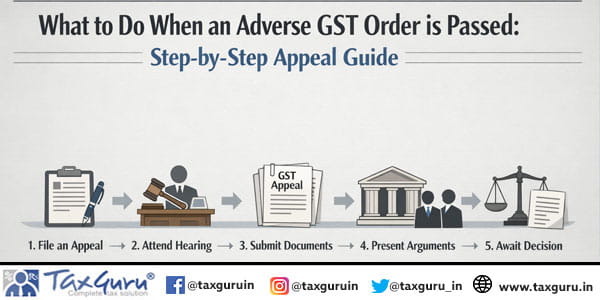
Goods and Services Tax
What to Do When an Adverse GST Order is Passed: Step-by-Step Appeal Guide
Income Tax
Income Tax
Sec 68 Addition on Share Capital & Premium Deleted: No AO Enquiry; High Premium Not Enough – ITAT Kolkata
Income Tax
Income Tax
No Transfer U/s 2(47) – Temporary Alternate Flat Not Taxable – ITAT Mumbai
Goods and Services Tax
Goods and Services Tax

