
Type: Featured
10,042 articlesGoods and Services Tax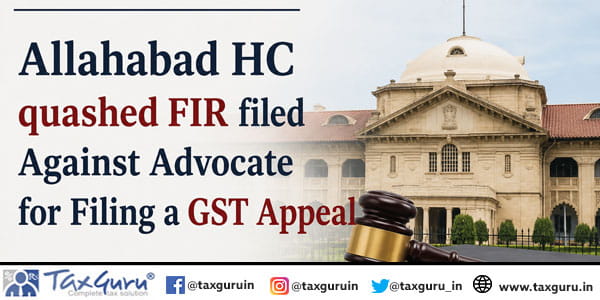
Goods and Services Tax
Allahabad HC quashed FIR filed Against Advocate for Filing a GST Appeal
Goods and Services Tax
Goods and Services Tax
SC Upholds Quashing of GST Demand as Opportunity of Hearing Was Illusory
Income Tax
Income Tax
Non-Appearance of Directors Not Sufficient to Treat Share Capital as Bogus: ITAT Kolkata
Income Tax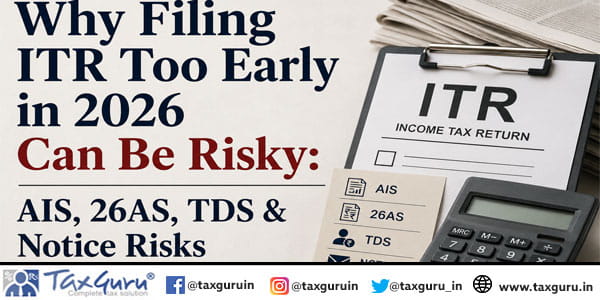
Income Tax
Why Filing ITR Too Early in 2026 Can Be Risky: AIS, 26AS, TDS & Notice Risks
Goods and Services Tax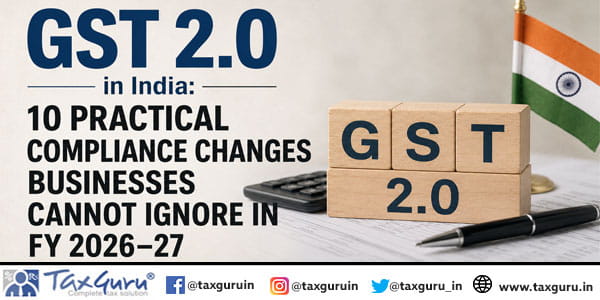
Goods and Services Tax
GST 2.0 in India: 10 Practical Compliance Changes Businesses Cannot Ignore in FY 2026–27
Income Tax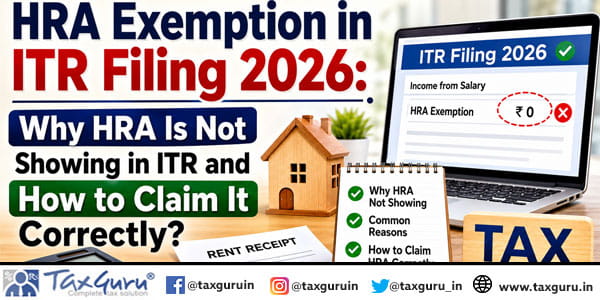
Income Tax
HRA Exemption in ITR Filing 2026: Why HRA Is Not Showing in ITR and How to Claim It Correctly?
Corporate Law
Corporate Law
CCI Closes Rapido Case as Permit and Tax Issues Fall Outside Competition Law
Goods and Services Tax
Goods and Services Tax
Innocent Recipient’s Burden: GST Challenges When Suppliers Turn “Fake”
Income Tax
Income Tax
Section 54 Exemption Cannot Be Denied Due to Joint Ownership With Spouse: ITAT Chandigarh
CA, CS, CMA
CA, CS, CMA
Nainital Bank Limited Invites CA Firms for Statutory Central Auditor Empanelment
CA, CS, CMA
CA, CS, CMA
Analysis of Notifications and Circulars for Week Ending 24th May 2026
Company Law
Company Law
Company Penalized for MGT-14 Filing without required board resolution
Company Law
Company Law
ROC Imposes Penalty for Misclassifying Special Business as Ordinary Business in AGM Notice
Income Tax
Income Tax

