
Type: Featured
10,042 articlesGoods and Services Tax
Goods and Services Tax
GST ITC as a Vested Right: Why Bona Fide Purchasers Should Not Lose Credit
Income Tax
Income Tax
Mere Acceptance of Political Donation Addition Doesn’t Justify Penalty
Goods and Services Tax
Goods and Services Tax
GSTN Introduces Mandatory Annexure-B Offline Utility to Automate ITC Refund Verification
Corporate Law
Corporate Law
Bhojshala-Kamal Maula Mosque is Temple of Goddess Vagdevi: MP HC
DGFT
DGFT
DGFT Restricts Import of Silver Bars
Income Tax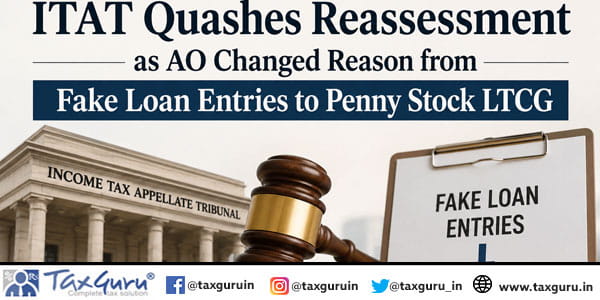
Income Tax
ITAT Quashes Reassessment as AO Changed Reason from Fake Loan Entries to Penny Stock LTCG
Corporate Law
Corporate Law
RTI Filed Seeking Mamata Banerjee’s Advocate Enrolment & Practising Status Before BCI
Income Tax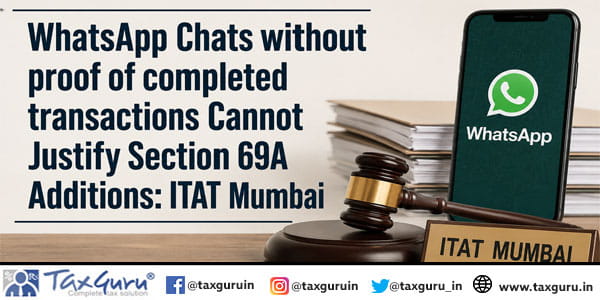
Income Tax
WhatsApp Chats without proof of completed transactions Cannot Justify Section 69A Additions: ITAT Mumbai
Goods and Services Tax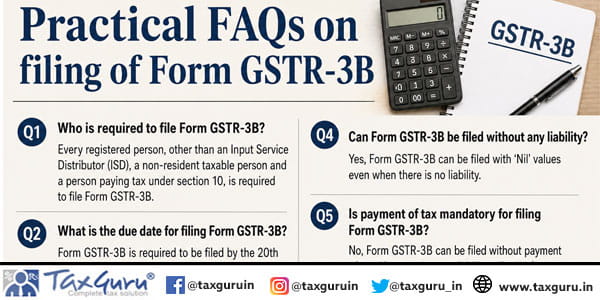
Goods and Services Tax
Practical FAQs on filing of Form GSTR-3B
CA, CS, CMA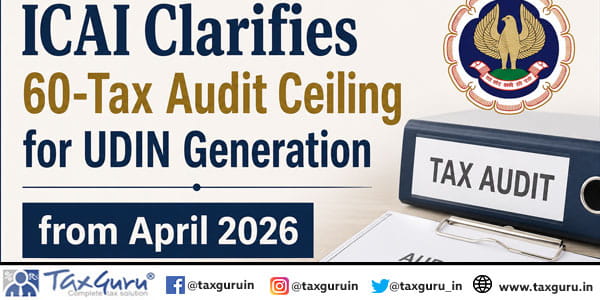
CA, CS, CMA
ICAI Clarifies 60-Tax Audit Ceiling for UDIN Generation from April 2026
Company Law
Company Law
ROC Imposes Penalty as Company Failed to Appoint Mandatory CFO for Six Years
Income Tax
Income Tax
ITAT Deletes Addition as WhatsApp Chats Lacked Section 65B Certification
CA, CS, CMA
CA, CS, CMA
CA Association Urged CBDT to Release AY 2026-27 ITR Utilities immediately
Corporate Law
Corporate Law

