
#Section 144
Log in to FollowLatest Section 144 updates, provisions, case laws, compliance requirements, tax implications and expert analysis under Income-tax law on TaxGuru.
Income Tax
Income Tax
Bangalore ITAT: TDR Sale Taxable as Capital Gains After Deducting Surrendered Land Value
Income Tax
Income Tax
Karnataka HC: Section 271(1)(c) Penalty Reconsideration Ordered After Assessment Revival
Income Tax
Income Tax
Calcutta HC Quashes Automatic Confirmation Clause & Restores Section 68 Appeal for Fresh Adjudication
Income Tax
Income Tax
ITAT Delhi Upholds Fictitious Derivative Loss Disallowance, Remands Reopening Issue
Income Tax
Income Tax
No CWIP Interest Capitalisation for Existing Building, Gujarat HC Rejects MAT Addition
Income Tax
Income Tax
Section 40 BMA Interest Unsustainable on Disclosed Foreign Source: ITAT Chennai
Income Tax
Income Tax
Rajasthan HC Sets Aside Benami Property Orders Over Denial of Cross-Examination
Income Tax
Income Tax
No Bar for Bengali Hindu to Form HUF Under Dayabhaga Law: ITAT Deletes Addition
Income Tax
Income Tax
Non-Service of Order Sufficient Cause; 137-Day Delay Condoned: Amritsar ITAT
Income Tax
Income Tax
ITAT Indore Limits ₹46.78 Lakh Section 69 Addition to ₹8 Lakh Based on Actual Purchase Price
Income Tax
Income Tax
ITAT Delhi Quashes Search Assessment as Time-Barred Under Section 153C
Income Tax
Income Tax
ITAT Hyderabad Applies Circle Rate for JDA Gains, Restores Section 54F
Income Tax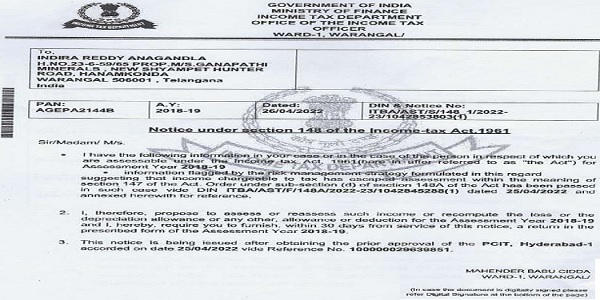
Income Tax
ITAT Hyderabad Quashes Reassessment Where PCIT Approved Notice Beyond Three Years
Income Tax
Income Tax
ITAT Pune Stays ₹4.11 Cr Tax Demand Over Frozen RERA Account
Explore the latest Section 144 updates on TaxGuru, including relevant Income-tax Act provisions, rules, notifications, circulars, judicial decisions and compliance guidance. The coverage highlights important tax positions, procedural requirements, assessments, deductions, penalties and litigation developments to help taxpayers and professionals understand the practical implications of changes in income-tax law.

