
Courts: All High Courts
Read latest High Court judgments and orders on Income Tax, GST, Customs, Company Law and other taxation, corporate, commercial and regulatory matters.

Karnataka HC directs reimbursement of differential GST on pre-GST works contracts
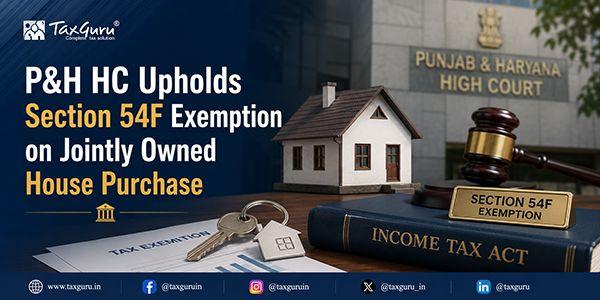
P&H HC Upholds Section 54F Exemption on Jointly Owned House Purchase

P&H HC Denies Section 54B Exemption for Land Purchased in Wife’s Name
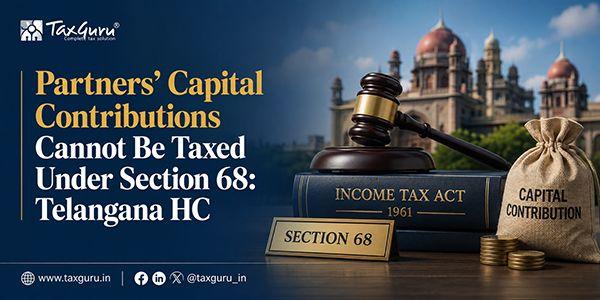
Partners’ Capital Contributions Cannot Be Taxed Under Section 68: Telangana HC

Gujarat HC Quashes Reassessment Notice for Change of Opinion on Loan Issue

Customs Detention Waiver Certificates Bind CCSPs After Importer Succeeds: Madras HC

Gauhati HC Sets Aside Release of Vehicle Seized Under Customs Act by Criminal Court

Karnataka HC Quashes Notional Rent Tax on Building Without Occupancy Certificate

Andhra Pradesh HC Sets Aside GST Appeal Order Involving Deceased Proprietor

Orissa HC Quashes GST Proceedings Initiated Against Deceased Proprietor

Madras HC Quashes GST Assessment Orders Passed After Proprietor’s Death

P&H High Court Sets Aside GST Assessment for Denial of Hearing Under Section 75(4)
ITO Reference Triggers Section 271D Penalty Limitation: Karnataka HC

Rajasthan HC Dismisses Immunity Plea for Section 270A Misreporting Penalty
All High Courts brings together judgments and orders of High Courts across India published on TaxGuru. The archive covers Income Tax, GST, Customs, Company Law, Corporate Law, insolvency, commercial laws and other taxation and regulatory matters. Readers can research important questions of law, constitutional challenges, writ petitions, statutory appeals and other proceedings decided by different High Courts. Chartered Accountants, advocates, tax professionals, businesses and legal researchers can use this consolidated archive to follow High Court jurisprudence across India. Separate High Court categories are available for court-specific judgments and orders.

