
Courts: All High Courts
Read latest High Court judgments and orders on Income Tax, GST, Customs, Company Law and other taxation, corporate, commercial and regulatory matters.

AP High Court Sets Aside Composite GST Order Covering Multiple Tax Periods
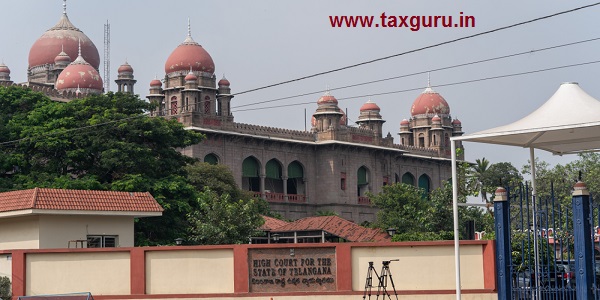
Telangana HC Allows Delayed GST Appeal Against DRC-07 Order

DRC-07 Upload Date Relevant for GST Appeal Limitation: Telangana HC

Telangana HC Grants Appeal Liberty Against Section 73 GST Order, Bars Recovery

Telangana HC Permits GST Writ Withdrawal With Liberty to File Statutory Appeal
Telangana High Court Grants Two Weeks to Appeal Section 74 GST Order

NRE Transfers Through Banking Channels Do Not Sustain Section 69 Addition: Gujarat HC

Bombay High Court Orders Refund of GST Pre-Deposit on Dropped Demand

Madras HC Remits GST Order for Pre-CIRP Tax Liability of Transafe Services

Madras HC Upholds Deferral of 55% Time-Share Membership Fees as Income

Rajasthan HC Condoned 450-Day GST Appeal Delay Over Portal-Only Order Service

Rajasthan HC Condoned GST Appeal Delay Where Order Was Only Uploaded on Portal

Kerala HC Quashes ITC Denial and Directs Reconsideration Under Section 16(5)
Madras HC Quashes GST Order Passed Against Deceased Person, Allows Fresh Notice to Heirs
All High Courts brings together judgments and orders of High Courts across India published on TaxGuru. The archive covers Income Tax, GST, Customs, Company Law, Corporate Law, insolvency, commercial laws and other taxation and regulatory matters. Readers can research important questions of law, constitutional challenges, writ petitions, statutory appeals and other proceedings decided by different High Courts. Chartered Accountants, advocates, tax professionals, businesses and legal researchers can use this consolidated archive to follow High Court jurisprudence across India. Separate High Court categories are available for court-specific judgments and orders.

