
Courts: All High Courts
Read latest High Court judgments and orders on Income Tax, GST, Customs, Company Law and other taxation, corporate, commercial and regulatory matters.

Kerala HC Quashes Composite GST Notices & Orders Covering Multiple Assessment Years

Reassessment Without Live Nexus or Reason to Believe Quashed: Bombay HC

Madras High Court Restores GST Appeal on Compliance with 10% Pre-Deposit

Mechanical Section 74 Invocation for ITC Demand Set Aside: Calcutta HC

Hydraulic Oil a Taxable Petroleum Product Under KTEG Act: Karnataka HC

Delayed GST Registration Revocation Allowed to Prevent Business’s Civil Death: Patna HC

AP High Court Deems Section 62 GST Assessments Withdrawn After GSTR-3B Filing

P&H HC Sets Aside GST Cancellation Notice for Lack of Supporting Documents
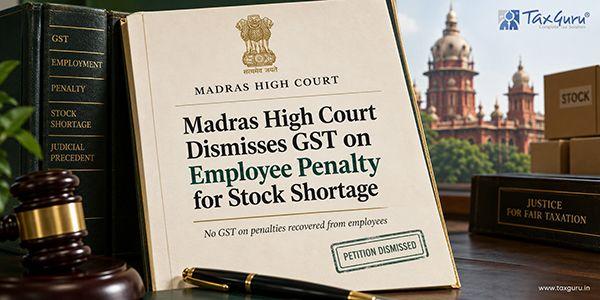
Madras High Court Dismisses GST on Employee Penalty for Stock Shortage

Karnataka HC Sets Aside Ex Parte GST Order, Remits Matter for Reply

₹37.74 Lakh Motor Accident Compensation Upheld; No Tax Deduction Below ₹5 Lakh: Chhattisgarh HC

Madras HC Quashes ₹4.56 Crore Customs Duty & Penalty Demand Against Clearance Facilitator
AP High Court Sets Aside Composite GST Order Covering Multiple Tax Periods
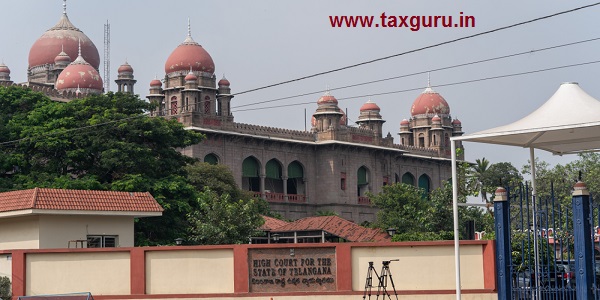
Telangana HC Allows Delayed GST Appeal Against DRC-07 Order
All High Courts brings together judgments and orders of High Courts across India published on TaxGuru. The archive covers Income Tax, GST, Customs, Company Law, Corporate Law, insolvency, commercial laws and other taxation and regulatory matters. Readers can research important questions of law, constitutional challenges, writ petitions, statutory appeals and other proceedings decided by different High Courts. Chartered Accountants, advocates, tax professionals, businesses and legal researchers can use this consolidated archive to follow High Court jurisprudence across India. Separate High Court categories are available for court-specific judgments and orders.

