
Courts: All High Courts
Read latest High Court judgments and orders on Income Tax, GST, Customs, Company Law and other taxation, corporate, commercial and regulatory matters.

Cash payments exceeding Rs.20,000 may be exempt if properly substantiated under Rule 6DD

No Obligation to Check GST Portal After Registration cancellation to access e-notices

GST Summons Valid Despite Parallel Proceedings: Madhya Pradesh HC
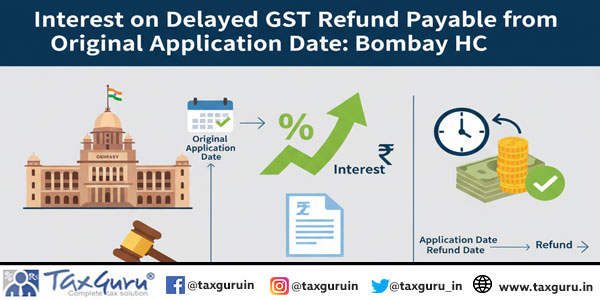
Interest on Delayed GST Refund Payable from Original Application Date: Bombay HC
Allahabad HC Granted Bail in ₹20 Crore GST Fraud Case as Investigation Concluded

AMP Expenditure Not an International Transaction: Delhi HC Reaffirms

GST Appeal Delay Due to Rectification Application – Period Must Be Excluded: P&H HC

Levy of Customs Duty on EOU Capital Goods Not Justified Without Export Achievement

Bombay HC Advises Use of Trade Circular Before Approaching Court on GST Issues
Department’s Preemptive Action on Fraudulent ITC Blocked by Delhi HC
Delhi HC Dismisses Appeal Seeking Interim Deposit under MCD Property Tax Amnesty Scheme
Madras HC Quashes Ex-Parte GST Assessment on 25% Pre-Deposit Condition
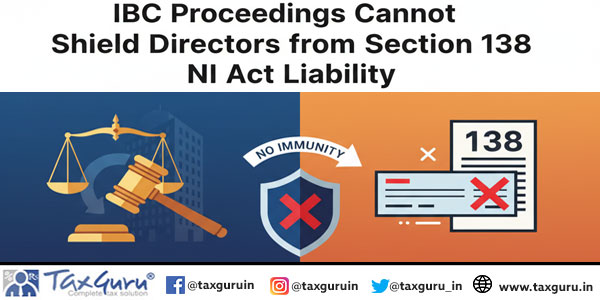
IBC Proceedings Cannot Shield Directors from Section 138 NI Act Liability
Bombay HC Upholds GST Confidentiality, Denies RTI Request for Industry Returns
All High Courts brings together judgments and orders of High Courts across India published on TaxGuru. The archive covers Income Tax, GST, Customs, Company Law, Corporate Law, insolvency, commercial laws and other taxation and regulatory matters. Readers can research important questions of law, constitutional challenges, writ petitions, statutory appeals and other proceedings decided by different High Courts. Chartered Accountants, advocates, tax professionals, businesses and legal researchers can use this consolidated archive to follow High Court jurisprudence across India. Separate High Court categories are available for court-specific judgments and orders.

