
Courts: All High Courts
Read latest High Court judgments and orders on Income Tax, GST, Customs, Company Law and other taxation, corporate, commercial and regulatory matters.

Income Tax Appeal Disposed Due to Similarity with Earlier Case and Lack of Distinguishing Facts

Bank Guarantee Cannot Be Invoked Without Notice or Proof of Breach: Calcutta HC
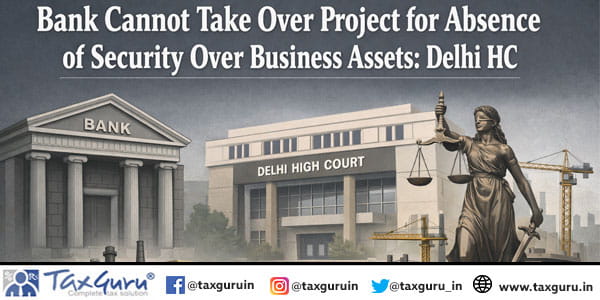
Bank Cannot Take Over Project for Absence of Security Over Business Assets: Delhi HC

Delhi HC Seeks CBDT Clarification on Tax on Partner’s Remuneration
Delhi HC to Examine Constitutional Validity of HSNS Cess

GST Order Set Aside Due to Failure to Consider Circular-Based Claim by Taxpayer
GST Order Quashed Due to Mechanical Decision Without Considering Taxpayer Reply

Wrong IGST Payment Must Be Refunded, Not Adjusted: Telangana HC
GST Order Set Aside for Failure to Provide Reasons for Rejecting Taxpayer Reply
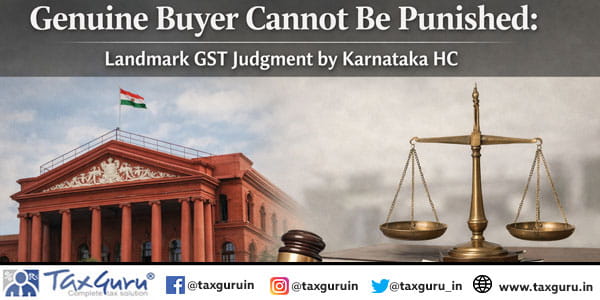
Genuine Buyer Cannot Be Punished: Landmark GST Judgment by Karnataka HC
Seized Cash Ordered to Be Released Due to Binding Statement by GST Authorities
Cash Seizure Challenge Rejected Due to Ongoing GST & Income Tax Proceedings

Department Cannot Adjust VAT ITC Post-GST When Law Mandates Cash Refund

GST Appellate Authority Cannot Remand Case Due to Adjudicating authority: Allahabad HC
All High Courts brings together judgments and orders of High Courts across India published on TaxGuru. The archive covers Income Tax, GST, Customs, Company Law, Corporate Law, insolvency, commercial laws and other taxation and regulatory matters. Readers can research important questions of law, constitutional challenges, writ petitions, statutory appeals and other proceedings decided by different High Courts. Chartered Accountants, advocates, tax professionals, businesses and legal researchers can use this consolidated archive to follow High Court jurisprudence across India. Separate High Court categories are available for court-specific judgments and orders.

