
Courts: All High Courts
Read latest High Court judgments and orders on Income Tax, GST, Customs, Company Law and other taxation, corporate, commercial and regulatory matters.

Gauhati HC Allowed GST Registration Restoration After Compliance with Returns & Tax Dues
Reassessment Beyond 10-Year Limit Invalid: Gujarat HC Quashes Notice for AY 2012-13

Unrealized MTM Gains on Forward Contract Not Taxable before maturity: Kerala HC

Non-Refund of Investor Money is Continuing Offence, Small Amount Not a Defence: Calcutta HC

GST SCN Set Aside Due to Incorrect Audit Basis & Vagueness: P&H HC

No Section 68 Addition When Demonetization Cash Deposits Explained by Books: Allahabad HC
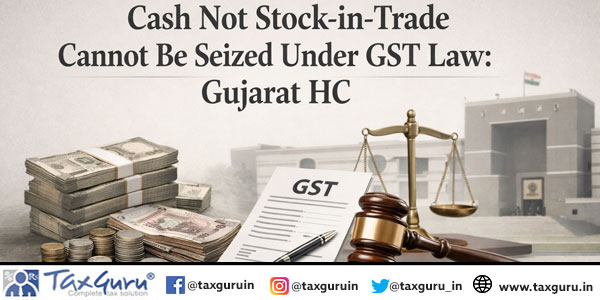
Cash Not Stock-in-Trade Cannot Be Seized Under GST Law: Gujarat HC

Interest on customs refund was not automatic depends on delay in processing
Calcutta HC Sets Aside GST Refund Rejection for Violating Rule 92(3) Time Limit of 15 Days

Bogus ITC Case: Chhattisgarh HC Grants Bail Citing Documentary Evidence

GST Order Quashed as it was Passed Before Scheduled Hearing Date: Bombay HC
Writ Petition Dismissed Due to Availability of Alternate GST Appeal Remedy: Delhi HC
No Reassessment on Section 80P Deduction Covered by Binding Precedent: Gujarat HC
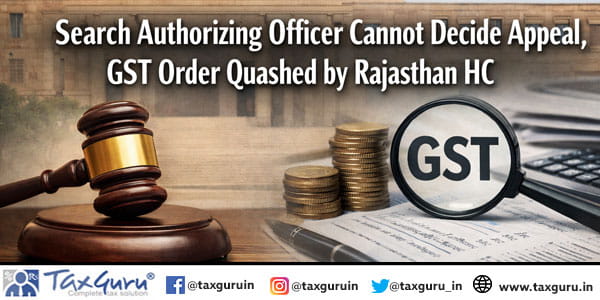
Search Authorizing Officer Cannot Decide Appeal, GST Order Quashed by Rajasthan HC
All High Courts brings together judgments and orders of High Courts across India published on TaxGuru. The archive covers Income Tax, GST, Customs, Company Law, Corporate Law, insolvency, commercial laws and other taxation and regulatory matters. Readers can research important questions of law, constitutional challenges, writ petitions, statutory appeals and other proceedings decided by different High Courts. Chartered Accountants, advocates, tax professionals, businesses and legal researchers can use this consolidated archive to follow High Court jurisprudence across India. Separate High Court categories are available for court-specific judgments and orders.

