
Courts: All High Courts
Read latest High Court judgments and orders on Income Tax, GST, Customs, Company Law and other taxation, corporate, commercial and regulatory matters.
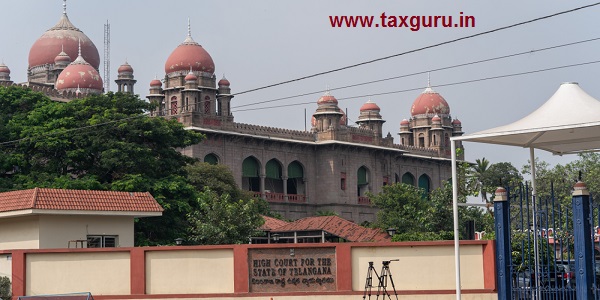
Telangana HC Permits Manual Revocation of Cancelled GST Registration
Wrong GST Section in DRC-07 Order Can Be Rectified: Telangana HC
GST Demand Cannot Exceed Show Cause Notice: Telangana HC
Telangana HC Rejects Vires Challenge to Section 16(2)(c); Permits Delayed GST Appeal
Excess ITC Case: Telangana HC Declines Vires Challenge to Section 16(2)(c)
GST ITC Denial on GSTR-2A Mismatch: Telangana HC Allows Rectification Route

Application for NIL withholding tax rightly rejected since taxability matter pending before ITAT

Capital profit from sale of Fixed Assets to be routed through P&L rather than directly taken to reserves

Eviction decree against tenant set aside as reasonable requirement of building/re-building not proved

Cash Seizure Case: HC Cuts Addition to Actual Seized Amount, Rejects Inflated Estimate

Revised ITR u/s 139(5) was allowed only for errors in the original return

Ex-Parte GST Order Set Aside Due to No Opportunity to Reply to Show Cause Notice

Composite GST Notice Invalid as Issued for Multiple Years: Kerala HC Quashes Proceedings
Gujarat HC Quashed GST Order Due to Denial of Section 75(4) Personal Hearing
All High Courts brings together judgments and orders of High Courts across India published on TaxGuru. The archive covers Income Tax, GST, Customs, Company Law, Corporate Law, insolvency, commercial laws and other taxation and regulatory matters. Readers can research important questions of law, constitutional challenges, writ petitions, statutory appeals and other proceedings decided by different High Courts. Chartered Accountants, advocates, tax professionals, businesses and legal researchers can use this consolidated archive to follow High Court jurisprudence across India. Separate High Court categories are available for court-specific judgments and orders.

