
Courts: All High Courts
Read latest High Court judgments and orders on Income Tax, GST, Customs, Company Law and other taxation, corporate, commercial and regulatory matters.

GST Assessment Quashed as Order Was Passed Beyond Limitation Period

Delhi HC Remands Tax Assessment Due to Admitted Computation Mistake by AO

Kerala HC Sets Aside ITAT Order as Section 153D Approval Was Not Specifically Examined

Karnataka HC Quashes GST Revocation Rejection as Authorities Ignored Documents

Bombay HC Upholds 0.5% Corporate Guarantee Fee; No Section 40(a)(ia) Disallowance for Short TDS Deduction
Karnataka HC Condones Delay as KCS Act Section 57(2A) Taxability Issue Remained Pending for 10 Years
Karnataka HC Refuses Relief as Magistrate Cannot Decide Validity of H Forms under KVAT

Reassessment Quashed Because Section 148 Notice Was Based on Unfounded Reasons

Madras HC Upholds Section 80IA Deduction as Audit Report Filed Before Assessment Completion
GST Appeal Can Be Filed Without 10% Pre-Deposit as Right of Appeal May Have Vested Earlier
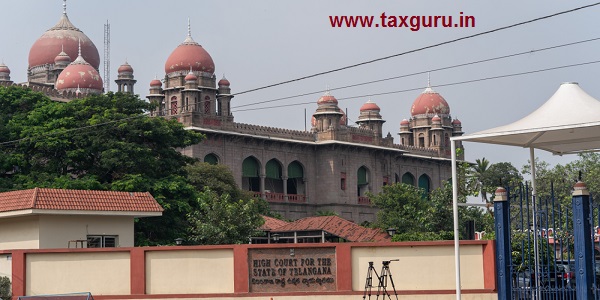
Telangana HC quashes Non-Speaking Order Rejecting Delayed GST Registration Revocation Plea
Telangana HC Orders GST Officer to Decide Rectification Plea in 2 Weeks
Telangana HC Directs Taxpayer to File GST Appeal Against Assessment Order
Telangana HC Orders Review of GST Refund on Garnishee Recovery Before Appeal Period Ends
All High Courts brings together judgments and orders of High Courts across India published on TaxGuru. The archive covers Income Tax, GST, Customs, Company Law, Corporate Law, insolvency, commercial laws and other taxation and regulatory matters. Readers can research important questions of law, constitutional challenges, writ petitions, statutory appeals and other proceedings decided by different High Courts. Chartered Accountants, advocates, tax professionals, businesses and legal researchers can use this consolidated archive to follow High Court jurisprudence across India. Separate High Court categories are available for court-specific judgments and orders.

