
Courts: All High Courts
Read latest High Court judgments and orders on Income Tax, GST, Customs, Company Law and other taxation, corporate, commercial and regulatory matters.

Calcutta HC Quashes Property Tax Hike as Enhanced Valuation was Without Statutory Procedure

Delhi HC Restrains Google for Allowing Trademark as AdWords Keywords

Section 68 Addition Deleted as Loan Genuineness & Creditworthiness Established
Gujarat HC Disposes Revenue Appeal as Tax Effect Was Below CBDT Monetary Limit
Entire On-Money Receipt Not Taxable as Only Embedded Profit Can Be Assessed
Cheque Payments & Confirmations Not Enough; Gujarat HC Confirms Section 68 Addition

Income Tax Appeal Against Inadequate Sentence Not Maintainable: Karnataka HC

Bombay HC Sets Aside Income Tax Jurisdiction Transfer Due to Absence of Specific Reasons
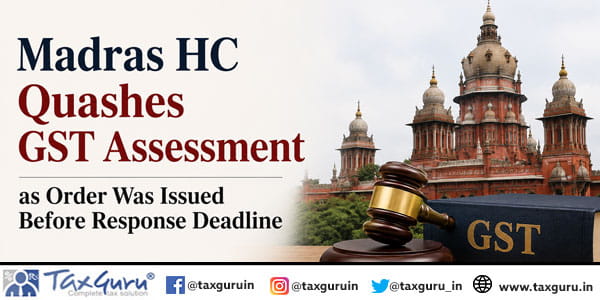
Madras HC Quashes GST Assessment as Order Was Issued Before Response Deadline

GST Assessment Quashed as Portal-Only Notices Were Held Ineffective: Madras HC

Google’s use of trademarks as keywords constituted use in advertising under TM Act
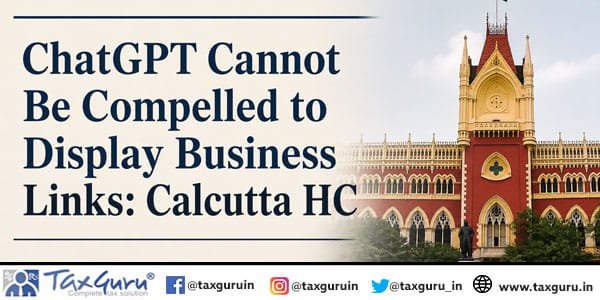
ChatGPT Cannot Be Compelled to Display Business Links: Calcutta HC
Section 263 Revision Quashed as AO Adopted a Possible View on Section 80IA Deduction
Gujarat HC Quashes Reassessment Notice Issued Beyond Surviving Limitation Period
All High Courts brings together judgments and orders of High Courts across India published on TaxGuru. The archive covers Income Tax, GST, Customs, Company Law, Corporate Law, insolvency, commercial laws and other taxation and regulatory matters. Readers can research important questions of law, constitutional challenges, writ petitions, statutory appeals and other proceedings decided by different High Courts. Chartered Accountants, advocates, tax professionals, businesses and legal researchers can use this consolidated archive to follow High Court jurisprudence across India. Separate High Court categories are available for court-specific judgments and orders.

