
Courts: All High Courts
Read latest High Court judgments and orders on Income Tax, GST, Customs, Company Law and other taxation, corporate, commercial and regulatory matters.

Madras HC Upholds GST Section 74 Notices, Dismisses Writ Petitions

Calcutta HC Directs Borrower to RBI Ombudsman Over Undervalued Truck Auction

GST Refund Interest Must Be Calculated from Original Refund Application Date: Gujarat HC

Penalty Restricted on Machinery Sent for Testing Without E-Way Bill: Karnataka HC
Joint Liquor Shop Licence for Brothers Upheld Despite Family Dispute: Calcutta HC
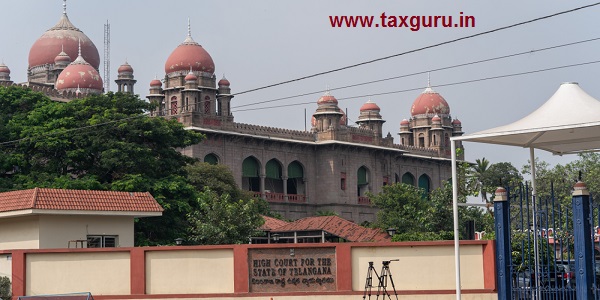
Telangana HC Allows Delayed GST Appeal, Grants Interim Relief Against Recovery
Telangana HC Restores GST Appeal Despite Delay by Chartered Accountant
Manual GST Registration Revocation Application Permitted After Portal Restriction: Telangana HC

Block Assessment Quashed for Lack of Section 143(2) Notice: Delhi HC
Share Valuation Must Follow Rule 11UA Applicable for Relevant AY: Delhi HC
Directions Against GST Authorities Set Aside in GST Reimbursement Dispute: Karnataka HC

CENVAT Credit on Air Duct Materials Allowed as Capital Goods: P&H HC

Circular Directing Trusts to Remove Certain Words from Names Quashed: Bombay HC
Order Directing Deletion of Trust Name Quashed for Lack of Jurisdiction: Bombay HC
All High Courts brings together judgments and orders of High Courts across India published on TaxGuru. The archive covers Income Tax, GST, Customs, Company Law, Corporate Law, insolvency, commercial laws and other taxation and regulatory matters. Readers can research important questions of law, constitutional challenges, writ petitions, statutory appeals and other proceedings decided by different High Courts. Chartered Accountants, advocates, tax professionals, businesses and legal researchers can use this consolidated archive to follow High Court jurisprudence across India. Separate High Court categories are available for court-specific judgments and orders.

