
Courts: All High Courts
Read latest High Court judgments and orders on Income Tax, GST, Customs, Company Law and other taxation, corporate, commercial and regulatory matters.
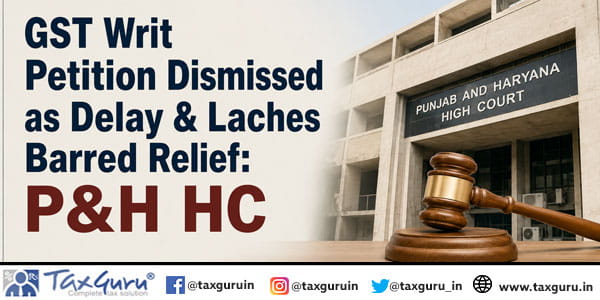
GST Writ Petition Dismissed as Delay & Laches Barred Relief: P&H HC

Gujarat HC Quashes Section 148 Notice as Adjournment Request Was Ignored

Site Restoration Deduction Allowed due to PSC contractual obligation

Calcutta HC Orders Completion of 32 Banking Company Liquidation

Bombay HC Stays GST Penalty Action Against Director
Site Restoration Deduction Allowed as It Was a Mandatory Contractual Obligation
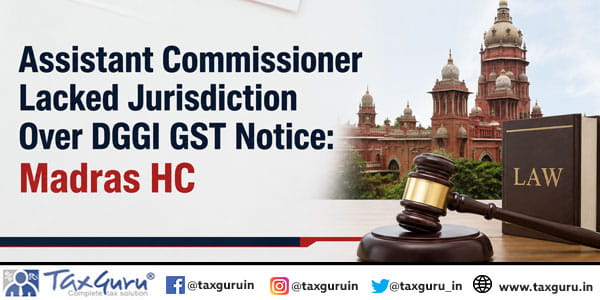
Assistant Commissioner Lacked Jurisdiction Over DGGI GST Notice: Madras HC
BNSS Attachment Order Quashed as Mandatory Notice & Reason to Believe Were Missing

Kerala HC Quashed KVAT Reassessment Notice as It Was Issued Beyond Statutory Limitation

No Double Excise Duty as State Cannot Recover Tax Twice on Same MGQ Transaction: Orissa HC
GST ITC Cannot Be Denied for Retrospetive Cancellation of Supplier’s Registration

Clandestine Removal Cannot Be Proved Solely as Power Consumption Was Higher
Madras HC Remands GST Job Work Demand for verification of Revenue Neutrality

Reassessment Order Passed Beyond Section 153 Limitation was Time-Barred: Chhattisgarh HC
All High Courts brings together judgments and orders of High Courts across India published on TaxGuru. The archive covers Income Tax, GST, Customs, Company Law, Corporate Law, insolvency, commercial laws and other taxation and regulatory matters. Readers can research important questions of law, constitutional challenges, writ petitions, statutory appeals and other proceedings decided by different High Courts. Chartered Accountants, advocates, tax professionals, businesses and legal researchers can use this consolidated archive to follow High Court jurisprudence across India. Separate High Court categories are available for court-specific judgments and orders.

