
Courts: All High Courts
Read latest High Court judgments and orders on Income Tax, GST, Customs, Company Law and other taxation, corporate, commercial and regulatory matters.

Karnataka HC Permits Delayed Appeal Against GST Registration Cancellation
Karnataka HC Allows Delayed GST Appeal Under Section 107 Without Limitation Objection

Gauhati HC Restores Reassessment Writ After SC Remand on JAO Jurisdiction Issue

Madras HC Directs GST Reimbursement Under GCC for Tax Regime Change
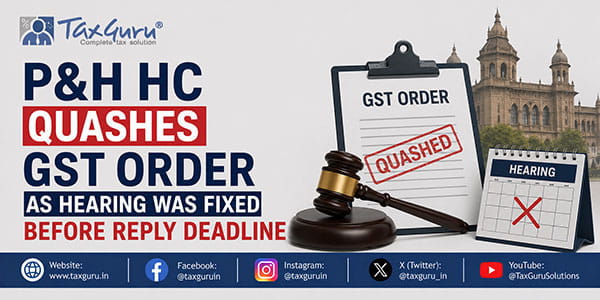
P&H HC Quashes GST Order as Hearing Was Fixed Before Reply Deadline

Himachal Pradesh HC Bars Parallel GST Proceedings on Same Subject Matter

Calcutta HC Computes MACT Compensation Using Income Tax Return, Awards ₹1 Crore as Just Compensation

Delhi HC Directs Competent Authority to Decide GST Suspension Expeditiously
Gujarat HC Grants Bail in ₹63 Crore Fake GST ITC Case After Investigation Completed

Rajasthan HC Permits Section 194A TDS Deduction on MACT Award Interest

Gujarat HC Grants Anticipatory Bail After Earlier Complaint on Same Allegations Was Closed

Telangana HC Directs Fresh Section 43B Examination Based on VAT-205 Orders

Kerala HC Upholds PMLA Attachment, Citing Prima Facie Link to Proceeds of Crime
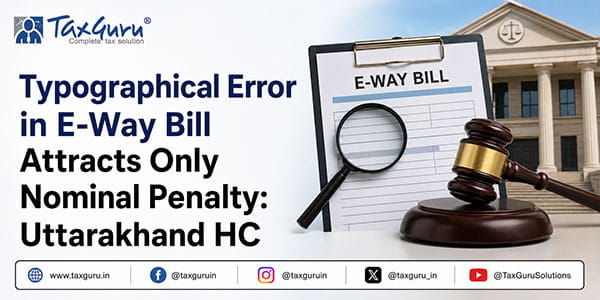
Typographical Error in E-Way Bill Attracts Only Nominal Penalty: Uttarakhand HC
All High Courts brings together judgments and orders of High Courts across India published on TaxGuru. The archive covers Income Tax, GST, Customs, Company Law, Corporate Law, insolvency, commercial laws and other taxation and regulatory matters. Readers can research important questions of law, constitutional challenges, writ petitions, statutory appeals and other proceedings decided by different High Courts. Chartered Accountants, advocates, tax professionals, businesses and legal researchers can use this consolidated archive to follow High Court jurisprudence across India. Separate High Court categories are available for court-specific judgments and orders.

