
Courts: All High Courts
Read latest High Court judgments and orders on Income Tax, GST, Customs, Company Law and other taxation, corporate, commercial and regulatory matters.

Telangana HC Sets Aside Rejection of Form 10-IC Delay Condonation

HC Declines GST Registration Cancellation Challenge, Directs Statutory Appeal Under Section 29

Madras HC Deletes Section 271B Penalty for Delayed Tax Audit Report Filing

Delhi HC Upholds Section 143(2) Notice Without Disclosure of Scrutiny Reasons

Gauhati HC Sets Aside Unilateral Railway Arbitrator Panel for Lack of Section 12(5) Waiver
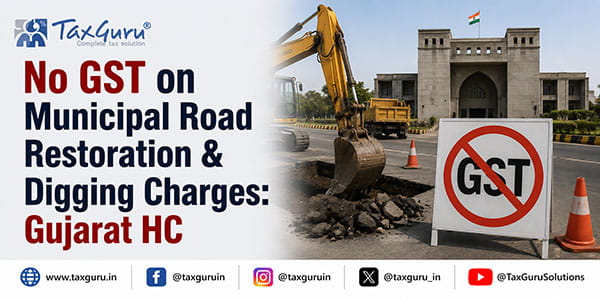
No GST on Municipal Road Restoration & Digging Charges: Gujarat HC

Madras HC Dismisses Writs Against GST Compensation Cess Orders & Advance Ruling, Directs Statutory Appeals

P&H HC Upholds CENVAT Credit on Steel Items Used for Capital Goods
Section 158BD Additions Cannot Rest on Assumptions Without Search Evidence: Allahabad HC
Delhi HC Allows TDS Credit Despite Incorrect Form 26QB Filing by Buyers
HC Dismisses Revenue Appeal Against Deletion of Protective Section 69 Addition

Bombay HC Dismisses Revenue Appeal on Article 8 DTAA Shipping Income Relief

Madras HC Upholds Search Addition Based on Loose Sheets & Section 132(4) Statement

HC Upholds Section 12A Registration for Society Promoting Anaesthesia Research
All High Courts brings together judgments and orders of High Courts across India published on TaxGuru. The archive covers Income Tax, GST, Customs, Company Law, Corporate Law, insolvency, commercial laws and other taxation and regulatory matters. Readers can research important questions of law, constitutional challenges, writ petitions, statutory appeals and other proceedings decided by different High Courts. Chartered Accountants, advocates, tax professionals, businesses and legal researchers can use this consolidated archive to follow High Court jurisprudence across India. Separate High Court categories are available for court-specific judgments and orders.

