
Courts: All High Courts
Read latest High Court judgments and orders on Income Tax, GST, Customs, Company Law and other taxation, corporate, commercial and regulatory matters.

Bombay HC Dismisses Revenue Appeal on Article 8 DTAA Shipping Income Relief

Madras HC Upholds Search Addition Based on Loose Sheets & Section 132(4) Statement

HC Upholds Section 12A Registration for Society Promoting Anaesthesia Research

Bombay HC Sets Aside Reassessment Order for Section 148 Notice Issued on 1 April 2021

Madras HC Quashes Duty Drawback Demand Raised After 12-Year Delay
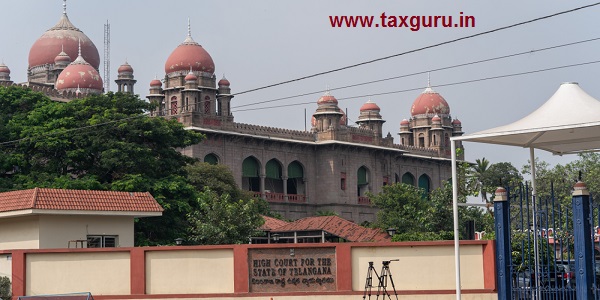
Telangana HC Permits Appeal Against Alleged Unsigned GST DRC-07 Order with Delay Condonation Liberty
Telangana HC Refuses to Interfere at GST SCN Stage; Directs Assessee to File Objections
Telangana HC Grants Liberty to File GST Appeal with Interim Protection Against Coercive Recovery
Telangana HC Grants Liberty to Appeal Against Section 73 GST Assessment Order
Telangana HC Grants Liberty to File GST Appeal with Delay Condonation Due to CA’s Illness

Madras HC Dismisses Writ Against Section 153A Assessment, Cites Alternate Appeal Remedy

Property Purchased Jointly With Spouse Not Benami Under 1988 Act: Kerala HC

Gauhati HC Quashes GST Registration Cancellation Notice for Vagueness

Gujarat HC Quashes Section 153C Assessment as Time-Barred Beyond Ten-Year Limitation
All High Courts brings together judgments and orders of High Courts across India published on TaxGuru. The archive covers Income Tax, GST, Customs, Company Law, Corporate Law, insolvency, commercial laws and other taxation and regulatory matters. Readers can research important questions of law, constitutional challenges, writ petitions, statutory appeals and other proceedings decided by different High Courts. Chartered Accountants, advocates, tax professionals, businesses and legal researchers can use this consolidated archive to follow High Court jurisprudence across India. Separate High Court categories are available for court-specific judgments and orders.

