

Articles by this Author
Income Tax
Income Tax
Wrong Section 151 Sanction Invalidates Reassessment and Penalty: ITAT Delhi
Income Tax
Income Tax
Reassessment Quashed as PCIT Approval Invalid Beyond Three Years: ITAT Delhi
Income Tax
Income Tax
Third-Party Search Papers Cannot Sustain Uncorroborated Additions: ITAT Kolkata
Corporate Law
Corporate Law
Old Rules Do Not Govern Earlier Vacancies Automatically: Supreme Court
Income Tax
Income Tax
Mechanical Satisfaction Note Cannot Sustain Section 153C Proceedings: ITAT Delhi
Income Tax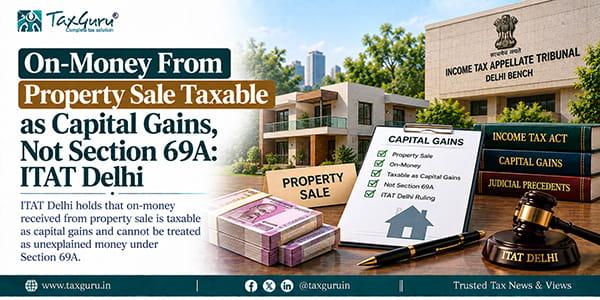
Income Tax
On-Money From Property Sale Taxable as Capital Gains, Not Section 69A: ITAT Delhi
Income Tax
Income Tax
Section 143(1) Intimation Merges With Scrutiny Assessment on Same Issue: ITAT Mumbai
Goods and Services Tax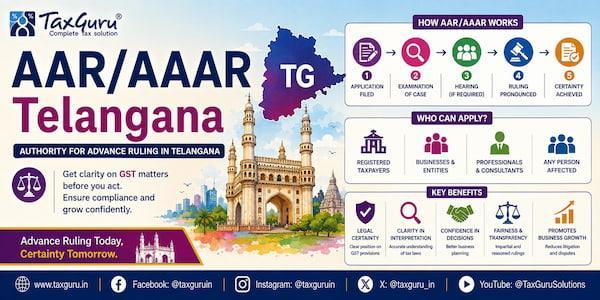
Goods and Services Tax
Digital Cinema Equipment Leasing Is Mixed Supply Taxable at Highest GST Rate: Telangana AAR
Service Tax
Service Tax
Service Tax Demand on Farm Trading Turnover Remanded: Karnataka HC
Corporate Law
Corporate Law
Expired Railway Way Leave Cannot Be Revived Through Resolution Plan: Calcutta HC
Income Tax
Income Tax
Section 14A Addition Unsustainable When Own Funds Exceed Investments: Madras HC
Custom Duty
Custom Duty
No Interest on MOOWR Capital Goods Intended for Warehouse Use: Rajasthan HC
Custom Duty
Custom Duty
CAAR Delhi Rejects Roasted Areca Nut Classification Applications Citing Prior HC Decision
Corporate Law
Corporate Law

