

Articles by this Author
Income Tax
Income Tax
P&H HC Dismisses Revenue Appeals as Assessee Was Denied Cross-Examination
Income Tax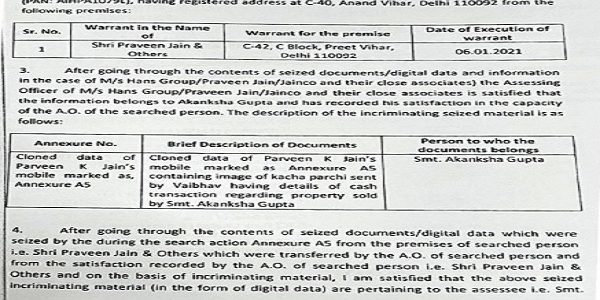
Income Tax
ITAT Delhi Holds Section 143(3) Assessment Invalid Where Section 153C Applied
Income Tax
Income Tax
MP HC Rejects Revenue Appeal for Failure to Establish Perversity in ITAT Order
Excise Duty
Excise Duty
CESTAT Bangalore Allows CENVAT Credit as Services Had Nexus with Manufacturing Business
Excise Duty
Excise Duty
CESTAT Bangalore Allows Cenvat Credit for Event, Catering, Cab & Pandal Services
Service Tax
Service Tax
Retrospective Merger Cannot Undo Discharged Service Tax Liability: CESTAT Mumbai
Custom Duty
Custom Duty
CAAR Delhi Allows 5% IGST on Bulk Drugs/APIs
Custom Duty
Custom Duty
CAAR Mumbai Holds Bulk Drugs Covered by 5% IGST Entry for All Drugs
Income Tax
Income Tax
Earlier Reassessment Litigation Cannot Extend Section 149 Limitation: Delhi HC
Income Tax
Income Tax
Delhi HC Dismisses Revenue Appeal as Search Assessment Was Beyond Six-Year Limit
Income Tax
Income Tax
SC Disposes Reassessment SLPs Following Rajeev Bansal Ruling
Income Tax
Income Tax
Bombay HC Quashes Section 148 Reassessment Orders & Notices Following Precedent
Income Tax
Income Tax
SC Directs AO to Decide Reassessment Objections as Per Rajeev Bansal
Income Tax
Income Tax

