

Articles by this Author
Goods and Services Tax
Goods and Services Tax
Rajasthan HC Condones GST Appeal Delay Due to Daughter’s Marriage & Late Knowledge of Demand
Goods and Services Tax
Goods and Services Tax
Supreme Court Stays GST Section 74 Proceedings During Pending Appeal
Goods and Services Tax
Goods and Services Tax
HC Dismisses Writ Against Section 74 UKGST Order, Citing Appeal Remedy
Income Tax
Income Tax
Rajasthan HC Holds Pending Section 143(1) Appeal No Bar to Reassessment
Income Tax
Income Tax
Section 14A Inapplicable to Mutuality-Based Non-Taxable Interest: ITAT Mumbai
Income Tax
Income Tax
SC Grants Leave in Tax Appeal Over Business Income and Ad Hoc Disallowance
Income Tax
Income Tax
Charitable Trust’s Pre-Operative Costs Cannot Be Carried Forward: ITAT Mumbai
Income Tax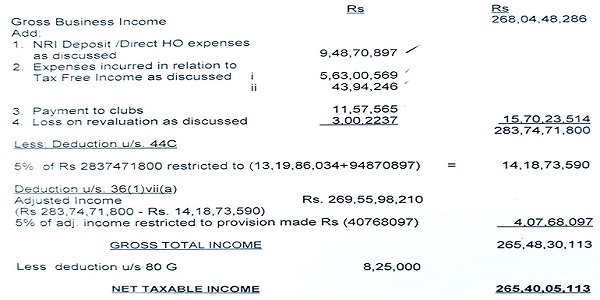
Income Tax
NRI Desk Expenses Attract Section 44C; 36(1)(viia) Deduction to Precede It: ITAT Mumbai
Income Tax
Income Tax
Priests’ Maintenance Qualifies for Section 11(2) Accumulation: ITAT Hyderabad
Income Tax
Income Tax
Madras HC Upholds Will, Rejects Property Claim & Unsubstantiated Suspicious Circumstances
Income Tax
Income Tax
Member-Only RWA Activities Not Charitable Under Section 2(15): ITAT Chandigarh
Income Tax
Income Tax
9 Months in Custody, Charge-Sheet Filed: SC Grants Bail in CGST Case
Income Tax
Income Tax
SC Applies Rajeev Bansal, Directs AO to Decide Reassessment Objections
Goods and Services Tax
Goods and Services Tax

