

Articles by this Author
Income Tax
Income Tax
ITAT Jodhpur Allows 12AB Renewal Despite Earlier Wrong Clause Selection
Income Tax
Income Tax
ITAT Delhi Allows Full Section 10(10B) Exemption on BSNL VRS Compensation
Goods and Services Tax
Goods and Services Tax
GSTAT Kolkata Remands ITC Interest and Penalty Computation Under Section 128A
Goods and Services Tax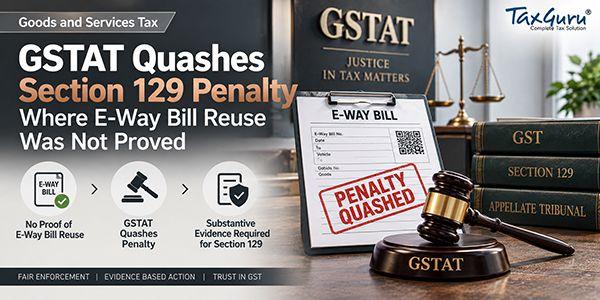
Goods and Services Tax
GSTAT Lucknow Quashes Section 129 Penalty Where E-Way Bill Reuse Was Not Proved
Company Law
Company Law
NCLT Mumbai Dispenses Stakeholder Meetings for Tata Motors Group Amalgamation Scheme
Service Tax
Service Tax
Delhi HC Waives Service Tax Penalty Where Bona Fide Belief Constitutes Reasonable Cause
Company Law
Company Law
Essar Power gets Scheme approval for brand demerger & capital restructuring: NCLT Ahmedabad
Excise Duty
Excise Duty
Section 11B Limitation Not Bar to Refund of Cess Paid by Mistake: Gauhati HC
Service Tax
Service Tax
Ocean Freight Mark-Up Not Taxable as Business Support Service: CESTAT Chennai
Income Tax
Income Tax
Section 68 Additions Deleted After Proving Share Capital Identity and Genuineness: ITAT Kolkata
Service Tax
Service Tax
Mining Activities Not Cargo Handling Service: CESTAT Hyderabad Quashes Service Tax Demand
Corporate Law
Corporate Law
Corporate Guarantee Continues Despite Demerger & Additional Security: NCLT Mumbai
Income Tax
Income Tax
ITAT Kolkata Differs on Section 148 Limitation and Refers Reopening Issue to Third Member
Income Tax
Income Tax

