

Articles by this Author
Income Tax
Income Tax
Offshore maintenance services not FIS under India-US DTAA: ITAT Delhi
Income Tax
Income Tax
CSR Deduction under Section 80G Valid Where AO Took a Plausible View: ITAT Mumbai
Income Tax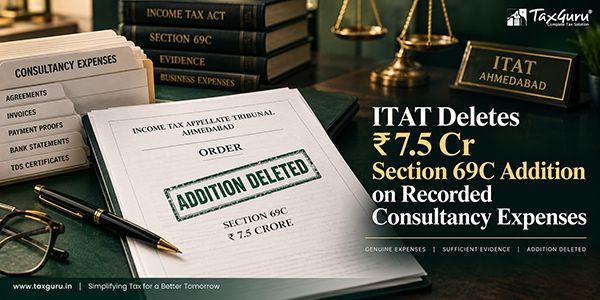
Income Tax
ITAT Deletes ₹7.5 Cr Section 69C Addition on Recorded Consultancy Expenses
Income Tax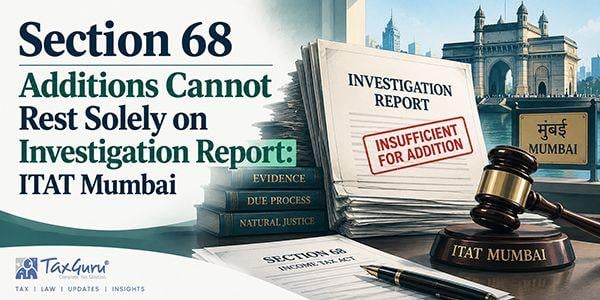
Income Tax
Section 68 Additions Cannot Rest Solely on Investigation Report: ITAT Mumbai
Income Tax
Income Tax
Third-Party Statement Alone Insufficient for ₹4 Cr Section 68 Addition: ITAT Mumbai
Income Tax
Income Tax
CSR expenditure eligible for Section 80G deduction despite Section 37(1) disallowance: ITAT Mumbai
Corporate Law
Corporate Law
Limitation for Excess Freight Refund Suit Runs From SC’s Final Order After SLP Admission
Goods and Services Tax
Goods and Services Tax
Karnataka HC Directs Reimbursement of GST Differential to Contractor
Income Tax
Income Tax
ITAT Pune Deletes Rs. 29.61 Crore Section 68 Addition on Partners’ Capital
Income Tax
Income Tax
Chhattisgarh HC Upholds Section 148 Reopening on Unexplained Demonetisation Cash Deposits
Corporate Law
Corporate Law
Supreme Court Quashes Arbitrary Tender Annulment After LOA Issuance
Income Tax
Income Tax
Pending SLP Does Not Dilute Binding Delhi HC Ruling on Section 153C Limitation: ITAT Delhi
Service Tax
Service Tax
Security Guards’ Salary, PF & ESI Cannot Be Deducted from Taxable Service Value: CESTAT Ahmedabad
Goods and Services Tax
Goods and Services Tax

