

Articles by this Author
Company Law
Company Law
FAQ on Resignation of Director under Companies Act
Company Law
Company Law
FAQs on Disclosure in Director Report for OPC and Small Company
Company Law
Company Law
FAQ on filing DPT-3 under Companies Act, 2013 and its rules
Company Law
Company Law
Appointment of Directors under Section 168(3) of Companies Act, 2013: FAQs
Company Law
Company Law
FAQs on Adjournment of Annual General Meeting (AGM)
Company Law
Company Law
FAQ- Authority to call General Meeting under Companies Act, 2013
Company Law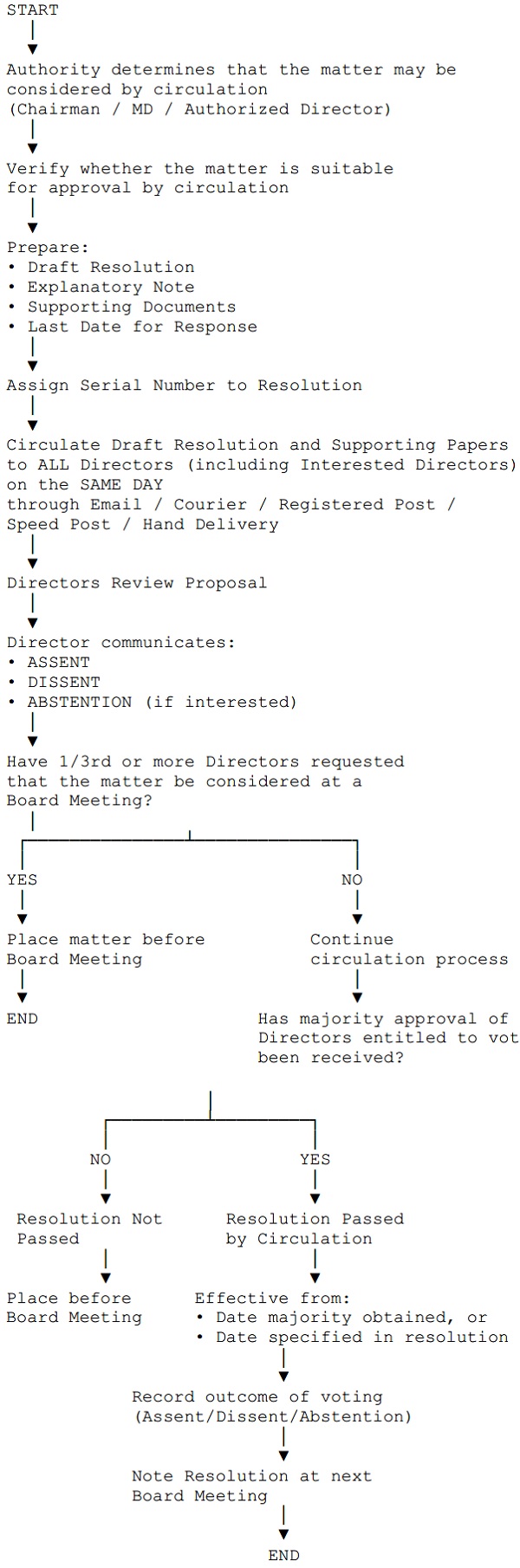
Company Law
SOP for Passing of Board Resolutions by Circulation
Goods and Services Tax
Goods and Services Tax
GST Appeals: What Constitutes ‘Communication’ After Bambino Agro Decision
Company Law
Company Law
FAQ on Key Managerial Personnel under Section 203 of Companies Act, 2013
Goods and Services Tax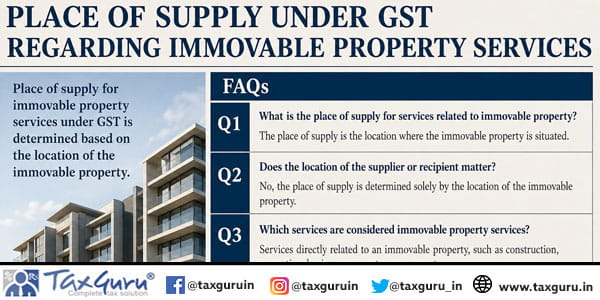
Goods and Services Tax
Place of supply under GST regarding Immovable Property Services with FAQs
Corporate Law
Corporate Law
IBC Widens Avoidance Transaction Scope, Strengthens Stakeholder Remedies
Company Law
Company Law
Insertion of Section 28A: Transfer of Guarantor Assets into CIRP Estate
Corporate Law
Corporate Law
Section 14 under IBC (Amendment) Act, 2026: Scope of Moratorium & Decriminalising Contraventions
Corporate Law
Corporate Law

