

Goods and Services Tax

Articles by this Author

Goods and Services Tax
ITC Refund Cannot Be Denied Despite BRC Mismatch with Export details: Delhi HC
Goods and Services Tax
GST Intermediary Services: Half relief, Half solution awaited
Goods and Services Tax
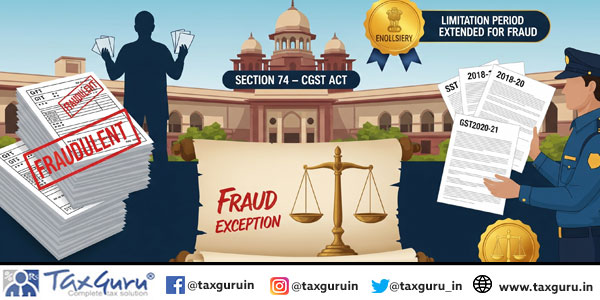
In case of Fradulent ITC, issuance of SCN for multiple Year, is valid: Delhi HC

Goods and Services Tax
GST Refund Rejection Invalid Due to Breach of 60-Day Limit Under Section 54(7): Calcutta HC

Goods and Services Tax
Single GST SCN for Multiple Years Impermissible: Madras HC

Goods and Services Tax
Electronic credit ledger can be used for GST Pre-Deposit: Bombay HC
Goods and Services Tax
GST Notice Service: Legal Position, Practical Challenges & Way Forward
Goods and Services Tax
GST Authorities Cannot Copy SCN Content, Must Consider Submissions: Bombay HC
Goods and Services Tax
Guide to Online Filing of GST Appeals and Applications

Goods and Services Tax
Section 73/74 Anti-Evasion Proceedings are Independent of Section 122 Penalty: Allahabad HC

Goods and Services Tax

