

Articles by this Author
Fema / RBI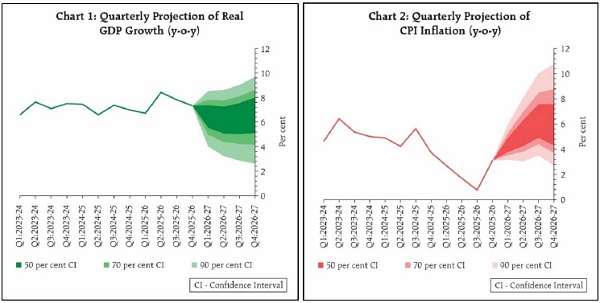
Fema / RBI
RBI Keeps Repo Rate Unchanged at 5.25% Due to Global Uncertainty
SEBI
SEBI
SEBI Approves Major Regulatory Reforms to Simplify Securities Market Processes
Company Law
Company Law
ROC Pune Imposes ₹2.03 Lakh Penalty for Holding Multiple DINs
Company Law
Company Law
ROC Mumbai Imposes ₹10,000 Penalty for Incorrect AGM Date in AOC-4 XBRL
Corporate Law
Corporate Law
IRDAI Proposes Transparent Rule-Making Framework Through Public Consultation
Company Law
Company Law
ROC Penalises Pepperfry Director for Incorrect AOC-4 XBRL Filing
Company Law
Company Law
ROC Imposes ₹4.5 Lakh Penalty on Nidhi Company for Omission in Directors’ Report
SEBI
SEBI
SEBI Introduces New Rules for AIF Wind-Up and Retention of Investor Proceeds
Company Law
Company Law
ROC Mumbai Imposes ₹5000 Penalty for Incorrect AOC-4 XBRL
Corporate Law
Corporate Law
IBBI Suspends Insolvency Professional Over Multiple CIRP Lapses in Real Estate Case
SEBI
SEBI
SEBI Revises ETF Trading Framework as Existing NAV-Based Pricing Caused Market Inefficiencies
Fema / RBI
Fema / RBI
RBI (Small Finance Banks – Responsible Business Conduct) Second Amendment Directions, 2026
Fema / RBI
Fema / RBI
RBI (Rural Co-operative Banks – Responsible Business Conduct) Second Amendment Directions, 2026
Fema / RBI
Fema / RBI

