

Articles by this Author
Goods and Services Tax
Goods and Services Tax
GST Section 129 Proceedings Quashed Due to Delayed Portal Upload and No Personal Hearing
Goods and Services Tax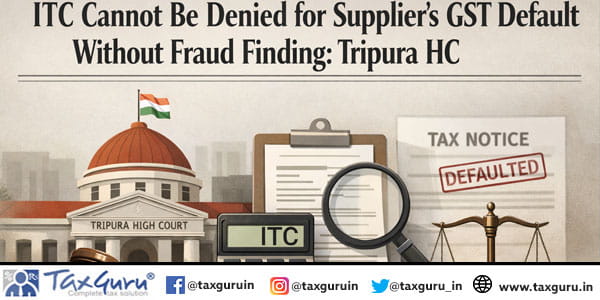
Goods and Services Tax
ITC Cannot Be Denied for Supplier’s GST Default Without Fraud Finding: Tripura HC
Goods and Services Tax
Goods and Services Tax
Bail Granted in GST Case Due to Prolonged Custody, Completed Investigation & No Antecedents
Goods and Services Tax
Goods and Services Tax
Calcutta HC Set Aside GST Adjudication Order for Travelling Beyond Section 75(7) SCN
Goods and Services Tax
Goods and Services Tax
Allahabad HC Quashed Section 74 GST Proceedings for Absence of Fraud or Suppression Allegations
Service Tax
Service Tax
Mutual Fund Redemption Not “Trading of Goods”; No CENVAT Reversal or Extended Limitation under Service Tax
Goods and Services Tax
Goods and Services Tax
Clinical Trials for Foreign Entities Not Taxable in India as Place of Supply Is Abroad: Karnataka HC
Goods and Services Tax
Goods and Services Tax
Pre-Consultation Mandatory in Extended Limitation Cases for High-Value Excise/Service Tax Demands: Madras HC
Goods and Services Tax
Goods and Services Tax
Multiple GST SCNs Valid If Based on Distinct Discrepancies: Madras HC
Goods and Services Tax
Goods and Services Tax
Three-Month Gap Between GST SCN and Order Mandatory: Bombay HC
Goods and Services Tax
Goods and Services Tax
Karnataka HC Set Aside ITC Reversal for Not Following Circular 183 on GSTR-3B vs 2A Mismatch
Goods and Services Tax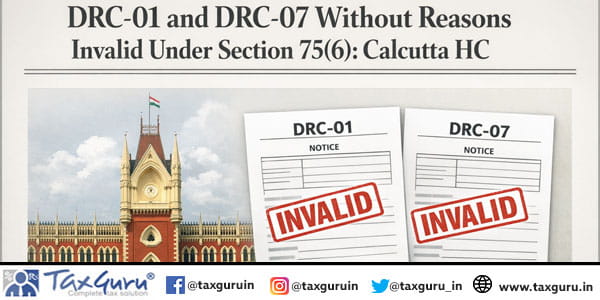
Goods and Services Tax
Summary DRC-01 and DRC-07 Without Reasons Invalid Under Section 75(6) Calcutta HC
Goods and Services Tax
Goods and Services Tax
No ITC Reversal Required on Post-Sale Discounts if GST Paid via Debit Note: Gujarat HC
Goods and Services Tax
Goods and Services Tax

