
Filing Income Tax Return is not always linked to tax liability. This guide explains the transaction-based conditions under Section 139(1) that make ITR filing compulsory even for low-income taxpayers.
GST authorities have strengthened reconciliation checks, invoice validation, and ITC scrutiny for export refunds from 01-04-2026. Exporters must ensure accurate GST filings, LUT compliance, and document matching to avoid refund delays and notices.
The Supreme Court held that grants disbursed by a statutory corporation formed part of its core business functions and qualified as deductible revenue expenditure. The ruling clarified that such grants were not mere application of income.
The Central Government amended the HSNS Cess Rules, 2026 to streamline procedural and accounting requirements under Rule 35. The notification removes certain consultation and approval conditions to simplify administrative compliance.
The report highlights major investigations by CBI, ED, DRI, SFIO, and NIA into NEET paper leaks, bank frauds, betting apps, and terror financing. It shows how Indian agencies are expanding enforcement against organized financial and economic crimes.
The Supreme Court restored execution proceedings after finding that the decree already contained directions for sale of the property if partition by metes and bounds was impossible. The Court ruled that further final decree proceedings were unnecessary in the facts of the case.
Delhi ITAT ruled that only unique solar days of employee presence, and not cumulative man-days, should be considered for determining Service PE under the India-US DTAA. Since the assessee’s employees stayed only 72 unique days in India, no PE existed and Section 44BB taxation was deleted.
The Gujarat High Court held that authorities cannot pass adverse GST orders without complying with the mandatory hearing requirement under Section 75(4). The Court ruled that even if the assessee opts against personal hearing, principles of natural justice must still be followed.
The Karnataka High Court held that adjudication by the same officer who conducted the GST audit raises serious concerns of bias and violation of natural justice. The matter was remanded after directing that jurisdictional objections be decided before proceeding on merits.
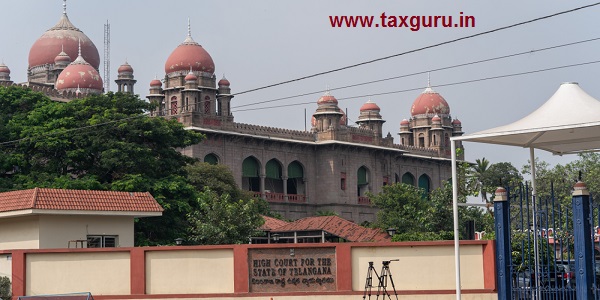
The Telangana High Court held that reassessment proceedings initiated by the Jurisdictional Assessing Officer after implementation of the Faceless Assessment Scheme were without jurisdiction. It quashed notices issued under Sections 148A and 148 along with consequential orders.

